





















Your dog's slowing down, the vet mentions arthritis, and suddenly you're staring at a wall of joint supplements. Here's what the research actually says about whether they work.

In Short:
Joint supplements are hugely popular, but the evidence behind them varies widely. Omega-3 fish oil has the strongest research support.
Glucosamine and chondroitin show promise in some studies but results are mixed. Green-lipped mussel is gaining traction.
None of them replace veterinary treatment — but some may genuinely help as part of a broader management plan. Compare all joint supplements on the Dog Directory.

Why So Many Dogs Need Joint Support
Osteoarthritis is the most common joint disease in dogs. Estimates suggest it affects around 20% of adult dogs over the age of one — and that number climbs to as high as 80% in dogs over eight.
It's not just a senior dog problem, either. Large breeds like Labradors, German Shepherds, and Golden Retrievers are predisposed to it earlier in life, often as a result of developmental conditions like hip or elbow dysplasia.
The signs can be subtle at first. Stiffness after rest, reluctance to jump into the car, slowing down on walks, or sitting in an odd position to take pressure off a sore joint.
Once osteoarthritis sets in, it can't be cured. The cartilage that cushions the joint gradually breaks down, leading to pain, inflammation, and reduced mobility. Management is the name of the game — and that's where supplements enter the picture.
Looking for joint supplements, parasite prevention, or other health products for your dog? Browse and compare brands on the Dog Directory.
The Supplement Aisle Is Overwhelming
Walk into any pet store or scroll through any online retailer and you'll find dozens of joint supplements. Chews, powders, liquids, tablets. Glucosamine. Chondroitin. MSM. Green-lipped mussel. Turmeric. Collagen. Elk antler.
The marketing is confident. The packaging shows happy, active dogs bounding through fields.
But how much of it is backed by actual evidence?
The short answer: it depends on the ingredient. Some have genuine research behind them. Others are riding on hype, anecdotal reports, or data borrowed from human studies that may not translate to dogs.
Let's break it down ingredient by ingredient.

Omega-3 Fish Oil — The Strongest Evidence
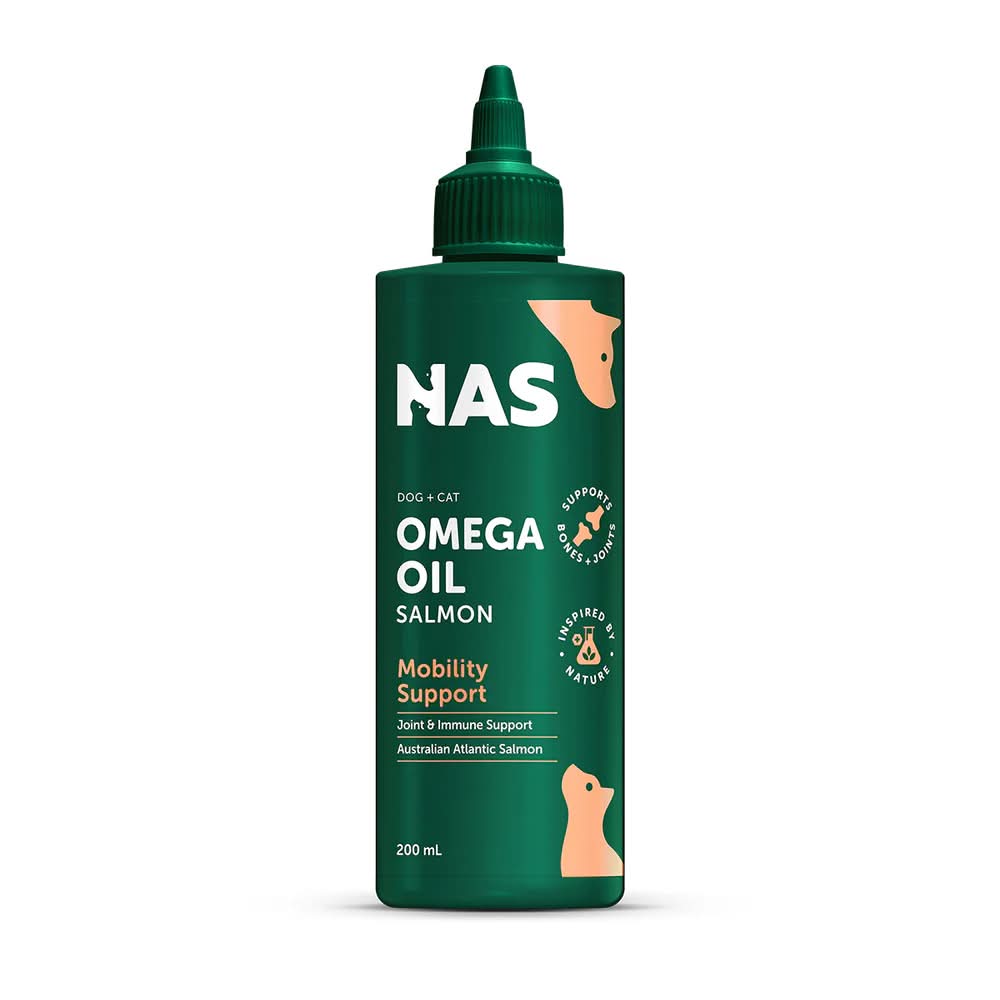
If there's one joint supplement with consistently positive research behind it, it's omega-3 fatty acids from fish oil — specifically EPA and DHA.
Multiple randomised, double-blind clinical trials have shown that omega-3 supplementation can improve weight-bearing, reduce lameness, and decrease joint pain in dogs with osteoarthritis.
One notable study found that by day 42, dogs receiving fish oil showed roughly 50% improvement in pain, crepitus, and joint effusion compared to placebo. Another demonstrated that dogs on omega-3-enriched diets needed significantly less anti-inflammatory medication (carprofen) over a 12-week period.
Cornell University's veterinary college describes omega-3s as the supplement with the most reliable evidence base for dogs with joint disease.
The recommended dose is around 100 mg of combined EPA and DHA per kilogram of body weight per day, though your vet can tailor this to your dog's needs.
One caveat: fish oil is calorie-dense. For overweight dogs — where weight itself is a major contributor to joint pain — it may be better to prioritise weight loss first and add fish oil once they're at a healthier size.
Glucosamine and Chondroitin — Popular, but Mixed Results
These are the two ingredients you'll find in almost every joint supplement on the market. They're naturally occurring components of cartilage, and the theory is that supplementing them helps repair and protect joint tissue.
The evidence? It's complicated.
One well-known randomised trial found that dogs treated with glucosamine and chondroitin showed significant improvements in pain, weight-bearing, and overall condition by day 70 — though the response was slower than with the anti-inflammatory drug carprofen.
However, another clinical trial using force plate analysis (an objective measure of how much weight a dog puts on a limb) found that glucosamine and chondroitin performed no better than placebo.
A comprehensive review of the research concluded that the benefits of glucosamine and chondroitin in dogs can "neither be confirmed nor denied" based on current evidence. The studies are too varied in dosage, formulation, duration, and measurement methods to draw firm conclusions.
There's also a bioavailability issue. Pharmacokinetic studies in dogs suggest that only about 10–12% of oral glucosamine is actually absorbed, and just 5% of chondroitin.
That said, these supplements appear to be very safe with minimal side effects. Many vets still recommend them — particularly in combination with other ingredients — on the basis that they're unlikely to cause harm and may provide some benefit.
Green-Lipped Mussel — Gaining Ground
Green-lipped mussel (GLM), sourced from New Zealand, is an increasingly popular ingredient in dog joint supplements. It contains omega-3 fatty acids, glycosaminoglycans, and antioxidants.
Research has shown that GLM extract can increase plasma omega-3 levels and improve weight-bearing in dogs with osteoarthritis. One clinical trial found that a marine-based fatty acid compound (PCSO-524, derived from GLM) produced improvements in force plate measurements comparable to carprofen after four to six weeks.
It's a promising ingredient, though the research base is still smaller than that for fish oil. Cornell's veterinary team notes that multiple studies have verified benefits for arthritic dogs, recommending a dose of 77 mg per kilogram of body weight per day.
Avocado Soybean Unsaponifiables (ASUs) — Underrated
ASUs are plant extracts derived from avocado and soybean oils. They're less well-known than glucosamine but have some interesting research behind them.
Studies suggest ASUs can inhibit the inflammatory mediators involved in osteoarthritis and stimulate healing of cartilage defects. Their efficacy has been compared to NSAIDs in some research, with a similar delay in onset to glucosamine and chondroitin.
When combined with glucosamine and chondroitin, ASUs appear to amplify the effects of both — and reduce the amount of chondroitin needed. Products like Dasuquin (commonly recommended by vets) use this combination approach.
What About Turmeric, MSM, and Collagen?
These ingredients turn up frequently in joint supplement formulas, but the evidence specifically in dogs is limited.
Turmeric (curcumin) has well-documented anti-inflammatory properties in laboratory settings, but its bioavailability is poor — meaning very little of what's ingested actually reaches the bloodstream. Some formulations use additives to improve absorption, but canine-specific clinical data is thin.
MSM (methylsulfonylmethane) is commonly included in joint chews. However, there are no published clinical trials on MSM use in dogs specifically, so its inclusion is largely based on human data and anecdotal reports.
Collagen (including UC-II/undenatured type II collagen) has shown some promise in small studies. One trial found that UC-II combined with glucosamine and chondroitin reduced pain in arthritic dogs, though the benefit was lost when supplementation stopped.
None of these are harmful, but none have strong standalone evidence in dogs.
Supplements Are Not a Replacement for Vet Care
This is the most important point in this entire article.
Joint supplements sit in the "nutraceutical" category, which means they don't go through the same regulatory approval process as veterinary medicines. In Australia, there's no requirement for manufacturers to prove their products work before selling them.
If your dog is showing signs of joint pain — limping, stiffness, reluctance to move — the first step is always a proper veterinary assessment. Your vet can determine what's actually going on (arthritis, dysplasia, ligament injury, or something else entirely) and recommend a treatment plan.
That plan might include anti-inflammatory medication, weight management, physiotherapy, hydrotherapy, laser therapy, or even surgery in severe cases. Supplements can play a supporting role alongside these treatments — but they shouldn't be the only thing you're doing.
So, Are They Worth It?
Here's a balanced take.
Start with fish oil. It has the strongest evidence, is widely available, and most vets recommend it. Look for a product that lists EPA and DHA content clearly.
Glucosamine and chondroitin are reasonable to try — especially in combination with ASUs (as in products like Dasuquin). The evidence is mixed, but they're safe, and some dogs do seem to respond well. Give them at least 8–10 weeks before judging effectiveness, as the onset is slow.
Green-lipped mussel is worth considering, particularly if you're looking for a natural source of omega-3s with additional joint-supporting compounds.
Don't rely on supplements alone. Weight management is arguably the single most impactful thing you can do for a dog with joint issues. A lean dog puts less stress on every joint, every day.
And always talk to your vet before starting any supplement, especially if your dog is already on medication. Some supplements can interact with anti-inflammatory drugs or affect blood clotting.
Looking for joint supplements, parasite prevention, or other health products for your dog? Browse and compare brands on the Dog Directory.
When to Start
Some veterinary experts suggest starting joint supplements as early as one year of age — particularly for large or giant breeds, highly active dogs, or dogs with known predispositions to joint disease.
The thinking is that supplements may be more effective at preventing or slowing the onset of arthritis than at treating it once it's established. That's still being studied, but it's a reasonable approach given the low risk of most supplements.
For older dogs already showing signs, supplements can still be a valuable addition to a broader management plan — just don't expect them to work like painkillers. They're playing a longer, more subtle game.
Frequently Asked Questions
Do joint supplements actually work for dogs?
It depends on the ingredient. Omega-3 fish oil has the strongest clinical evidence for reducing joint pain and improving mobility in dogs with osteoarthritis. Glucosamine and chondroitin are widely used but have mixed research results. Green-lipped mussel is gaining scientific support. None are a cure, but some can help as part of a broader treatment plan.
What is the best joint supplement ingredient for dogs?
Omega-3 fatty acids (EPA and DHA from fish oil) are considered the most evidence-backed joint supplement for dogs. Cornell University's veterinary team and multiple clinical trials support their use for reducing inflammation and improving weight-bearing in arthritic dogs.
When should I start giving my dog joint supplements?
Some vets recommend starting as early as one year of age for large breeds or dogs predisposed to joint issues like hip dysplasia. For other dogs, supplements are commonly introduced when early signs of stiffness or reduced mobility appear. Always consult your vet before starting.
Are glucosamine and chondroitin safe for dogs?
Yes, glucosamine and chondroitin are generally considered very safe for dogs with minimal side effects. However, their effectiveness is debated — some clinical trials show benefits while others show no significant improvement over placebo. They typically need 8–10 weeks to show results.
Can joint supplements replace anti-inflammatory medication for dogs?
No. Joint supplements are not a substitute for veterinary-prescribed medication, particularly for dogs in significant pain. Some supplements — especially omega-3 fish oil — have been shown to reduce the amount of anti-inflammatory medication needed, but they should be used alongside, not instead of, proper veterinary treatment.











Comments
0 comments
Login to Join the Conversation 💬