


























If your dog is stiffening up after rest, slowing on walks, or reluctant to use the stairs, joint pain is a likely culprit. The right supplement won't reverse existing damage, but it can meaningfully reduce inflammation, ease discomfort, and slow further deterioration. Here's what actually works.
In Short:
For dogs already experiencing joint pain, the most effective supplements target inflammation directly.
Marine omega-3 (EPA and DHA) and green-lipped mussel extract have the strongest evidence for pain reduction in dogs with osteoarthritis. Plant-derived Epitalis is the best choice for dogs with confirmed cartilage damage. Glucosamine and chondroitin support maintenance and are best used alongside an anti-inflammatory ingredient rather than alone.
All supplements work best given consistently — expect four to eight weeks before full effect.

Recognising Joint Pain in Dogs
Dogs are instinctively good at masking discomfort, which means joint pain is often more advanced than it appears by the time owners notice. Signs to watch for include:
- Stiffness after periods of rest, particularly first thing in the morning
- Reluctance to jump, use stairs, or get in and out of the car
- Shorter walks than usual, or lagging behind on regular routes
- Sitting or lying down during activities where they previously stood
- Licking, chewing, or guarding a specific joint
- A change in gait — bunny hopping, favouring one leg, or a slightly swaying walk
- Behavioural changes such as increased irritability or reduced engagement
If you notice any of these, a vet examination is the right first step — not to replace supplementation, but to understand the severity and rule out conditions that require medical treatment. Supplements work best as part of a broader management plan, not as a standalone solution.
Why Joint Pain Supplements Work Differently for Symptomatic Dogs
There is an important distinction between supplements used preventatively and supplements used therapeutically. In a healthy dog with no joint symptoms, the goal is maintenance — slowing natural cartilage wear over time. In a dog that is already in pain, the priority shifts to reducing active inflammation and supporting repair of damaged tissue.
This means ingredient selection matters more for symptomatic dogs. Anti-inflammatory ingredients need to be present at meaningful doses. Products designed primarily for maintenance — low-dose glucosamine chews, for example — are unlikely to produce noticeable relief in a dog with active joint pain.

The Most Effective Ingredients for Joint Pain
High-Dose Marine Omega-3 (EPA and DHA)
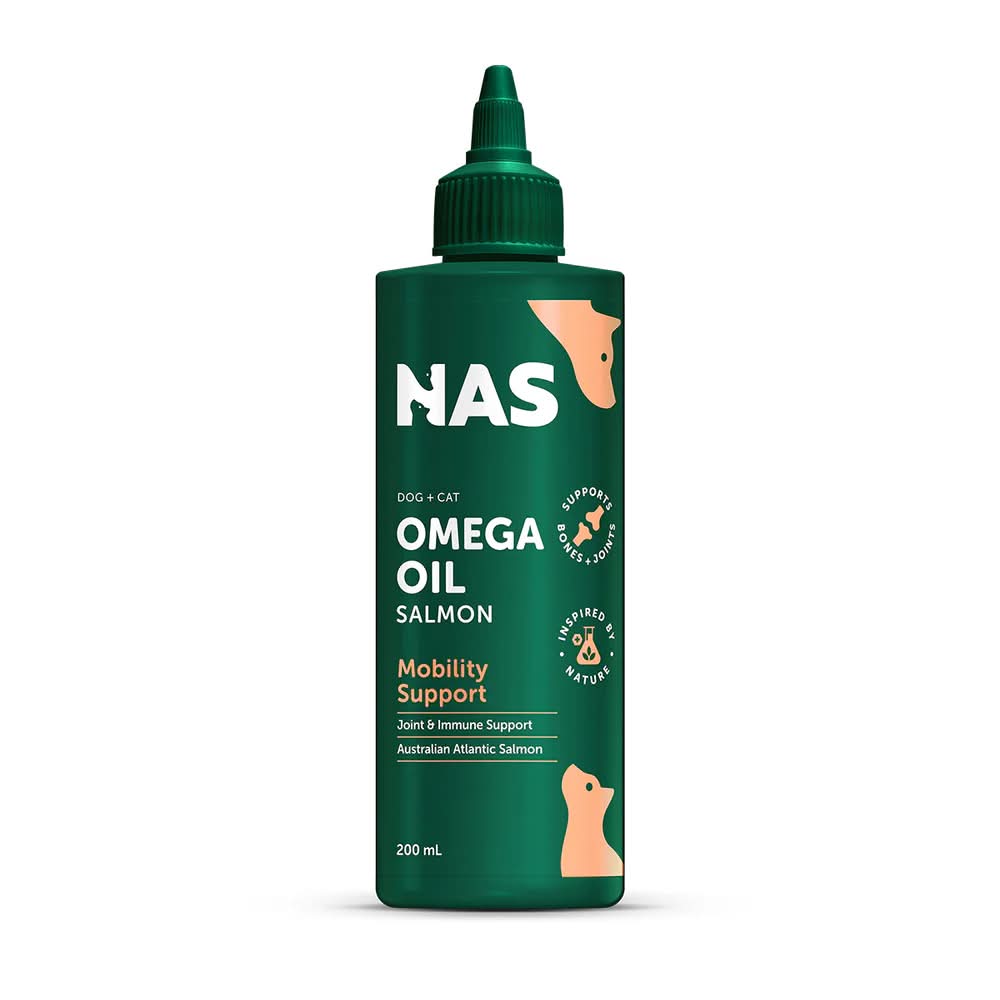
The most evidence-backed nutritional intervention for joint pain in dogs. EPA and DHA reduce joint inflammation through the same pathways targeted by prescription anti-inflammatory medications, but without the associated gastric side effects. For a symptomatic dog, the therapeutic dose is approximately 75 to 100 mg of combined EPA/DHA per kilogram of body weight per day.
This is a meaningful dose — most off-the-shelf products underdose significantly. Look for products that specify EPA and DHA quantities on the label, and calculate whether the dose aligns with your dog's weight. For a 30 kg dog, this means roughly 2,250 to 3,000 mg of combined EPA/DHA daily.
Green-Lipped Mussel Extract
For dogs with joint pain, green-lipped mussel has the advantage of combining anti-inflammatory omega-3 with structural glycosaminoglycans in a single ingredient. It has been shown in multiple studies to reduce pain scores and improve gait in dogs with osteoarthritis. It is the most complete single-ingredient option for dogs with active joint pain.
Epitalis
Best for dogs with confirmed cartilage deterioration. Epitalis works at the cellular level to stimulate cartilage regeneration rather than simply managing inflammation. It is most impactful when used in dogs where joint imaging or vet assessment has confirmed cartilage loss or damage. For dogs where the primary issue is inflammation without structural damage, anti-inflammatory ingredients will produce faster and more noticeable relief.
Glucosamine and Chondroitin
In symptomatic dogs, these are best used as supporting ingredients alongside anti-inflammatory compounds rather than as the primary treatment. They provide the substrate for cartilage maintenance and may help slow ongoing deterioration, but are unlikely to produce meaningful pain relief on their own. Their value in a symptomatic dog is as a long-term maintenance layer on top of more targeted anti-inflammatory support.
Boswellia Serrata
A useful add-on anti-inflammatory, particularly for dogs that have digestive sensitivity to higher omega-3 doses. Boswellia inhibits a different inflammatory pathway to omega-3 and can provide complementary benefit when used alongside it. Several combination products available in Australia include boswellia as part of a multi-ingredient approach.
What to Expect and When to Reassess
Give any new supplement a minimum of four to six weeks at the correct dose before assessing. Objective markers to track: the time it takes your dog to walk normally after rising, how far they comfortably walk before slowing, and whether stiffness is more or less pronounced in cold or damp weather.
If there is no improvement after six to eight weeks at a correct dose, escalate to a vet conversation. The supplement may be appropriate but underdosed, the underlying condition may require medical intervention, or a different ingredient combination may be more suitable.
Supplements are not a substitute for pain medication in moderate to severe cases. Dogs with significant pain may need a combination approach — prescription NSAIDs for immediate relief alongside supplementation for long-term joint support.
Frequently Asked Questions
At what point should I use supplements versus prescription medication for joint pain?
Supplements are most appropriate for mild joint pain, early-stage osteoarthritis, or as a complement to medication in more advanced cases. Dogs with moderate to severe pain — struggling to rise, significantly lame, or showing behavioural changes due to pain — typically require prescription pain management. Your vet can advise based on a pain scoring assessment. The two approaches are not mutually exclusive and are often used together.
Are there joint supplements specifically designed for dogs with arthritis?
Most joint supplements on the Australian market are effective for arthritis management — the ingredient profile matters more than the label claim. For dogs with diagnosed osteoarthritis, prioritise high-dose marine omega-3 or green-lipped mussel for inflammation, plus a product containing Epitalis if cartilage damage has been confirmed. Combination products that include multiple active ingredients are often the most practical approach.
My dog has joint pain but also a sensitive stomach — what should I avoid?
High-dose omega-3 is the most common cause of digestive upset in dogs starting joint supplements. Introduce it gradually — start at half dose for two weeks before building to the full therapeutic dose. Powders mixed into food can cause issues for some dogs; chews or gel-based products may be better tolerated. Avoid products with artificial flavours or fillers if your dog has a history of food sensitivities.
Can weight loss help with joint pain alongside supplements?
Significantly. Every extra kilogram of body weight adds roughly three to five kilograms of force to a dog's joints during movement. Weight loss is one of the most impactful interventions for dogs with joint pain — in many cases producing equivalent or greater pain relief than supplementation alone. For overweight dogs with joint pain, addressing weight and supplementation together gives the best outcome.
How do I know if the supplement I'm giving is the right dose for my dog?
Dose is based on body weight. Check the product label for the recommended dose per kilogram — then confirm your dog's current weight and calculate accordingly. For anti-inflammatory supplements like omega-3, the therapeutic dose is specific and often higher than the "maintenance" dose listed on the label. If your dog is between weight categories on the label, round up rather than down for a symptomatic dog.










Comments
0 comments
Login to Join the Conversation 💬