






















In Short:
Puppies can start on soaked dry food from around 3 to 4 weeks during weaning. By 6 to 8 weeks, most are fully weaned and eating solid food. Most puppies can handle completely dry kibble without soaking by 8 to 10 weeks, though small breeds may need it softened a bit longer.
Always use a puppy-specific formula.

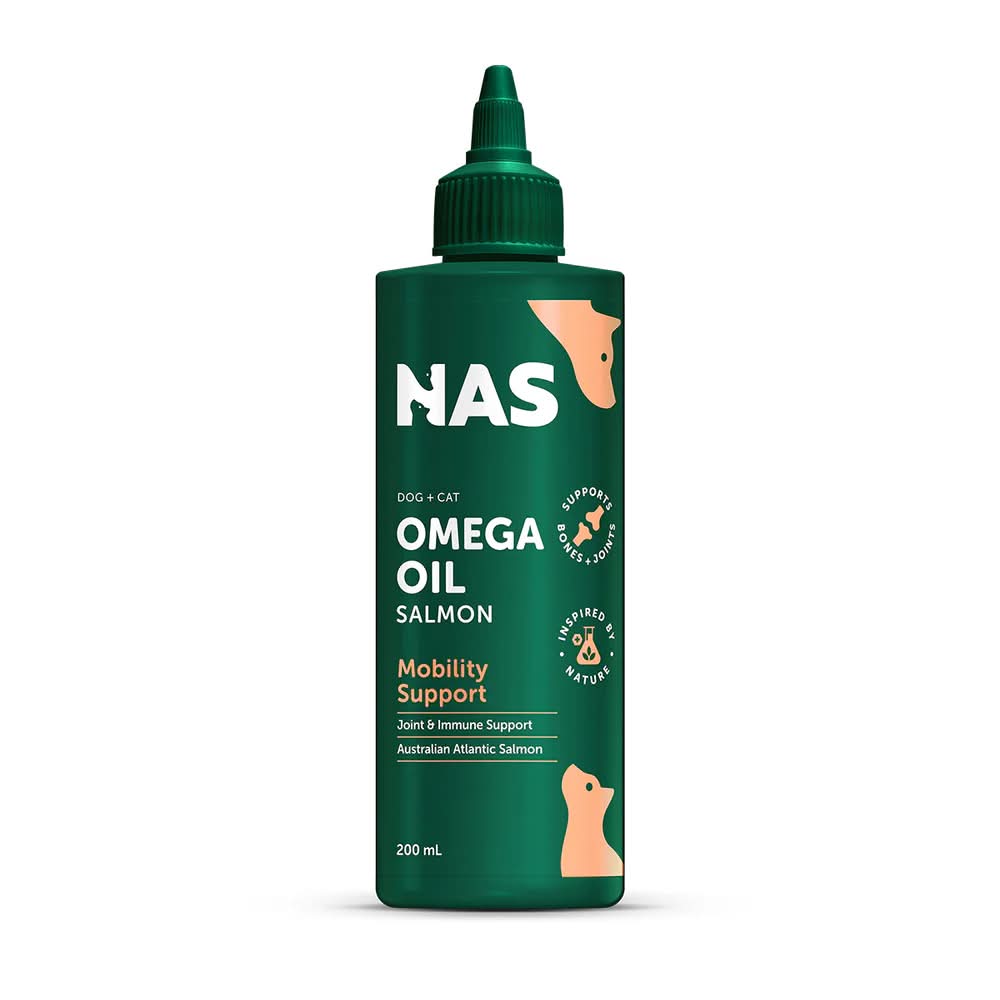
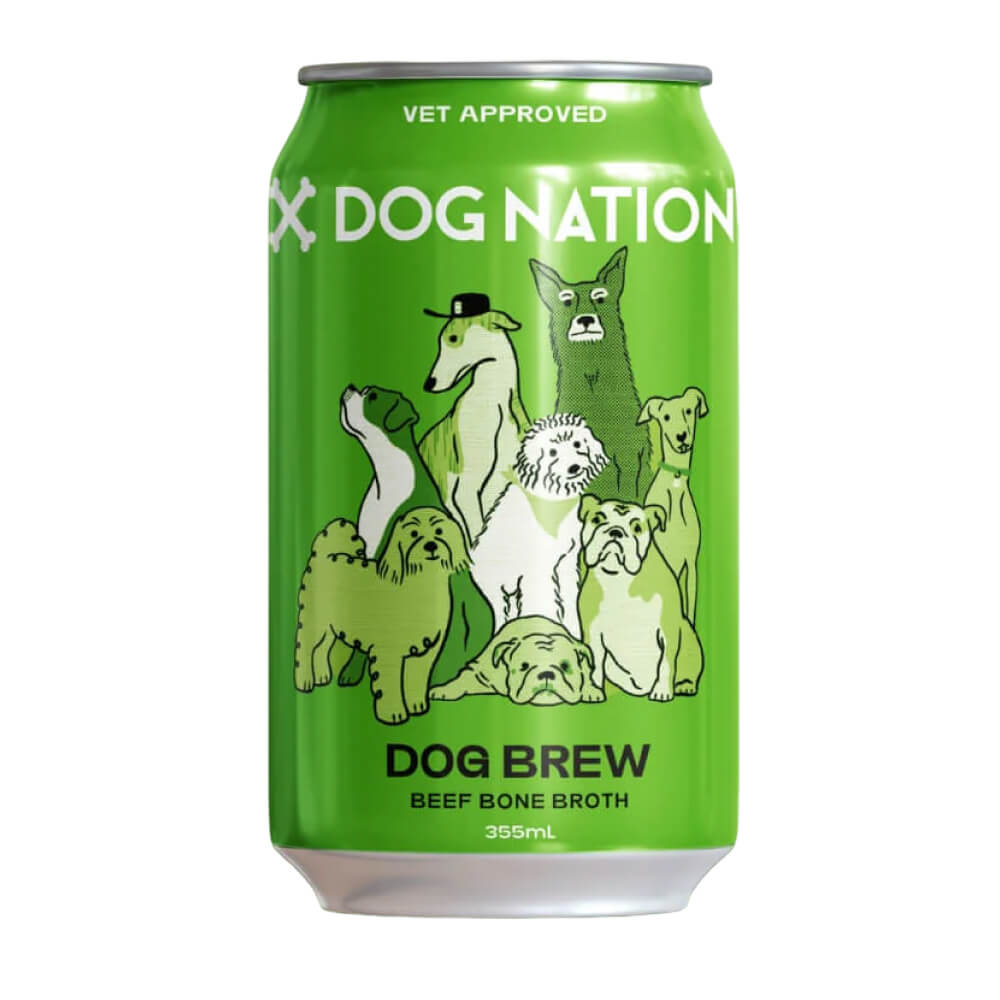
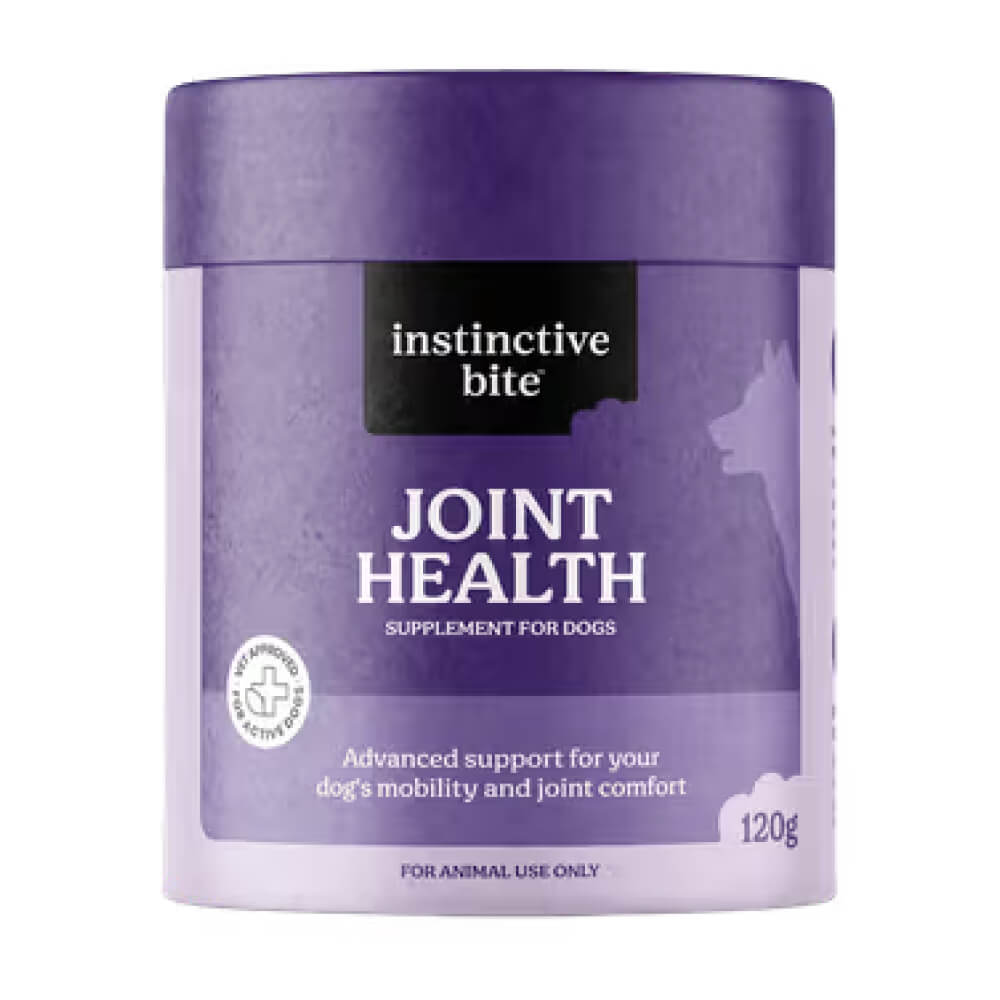
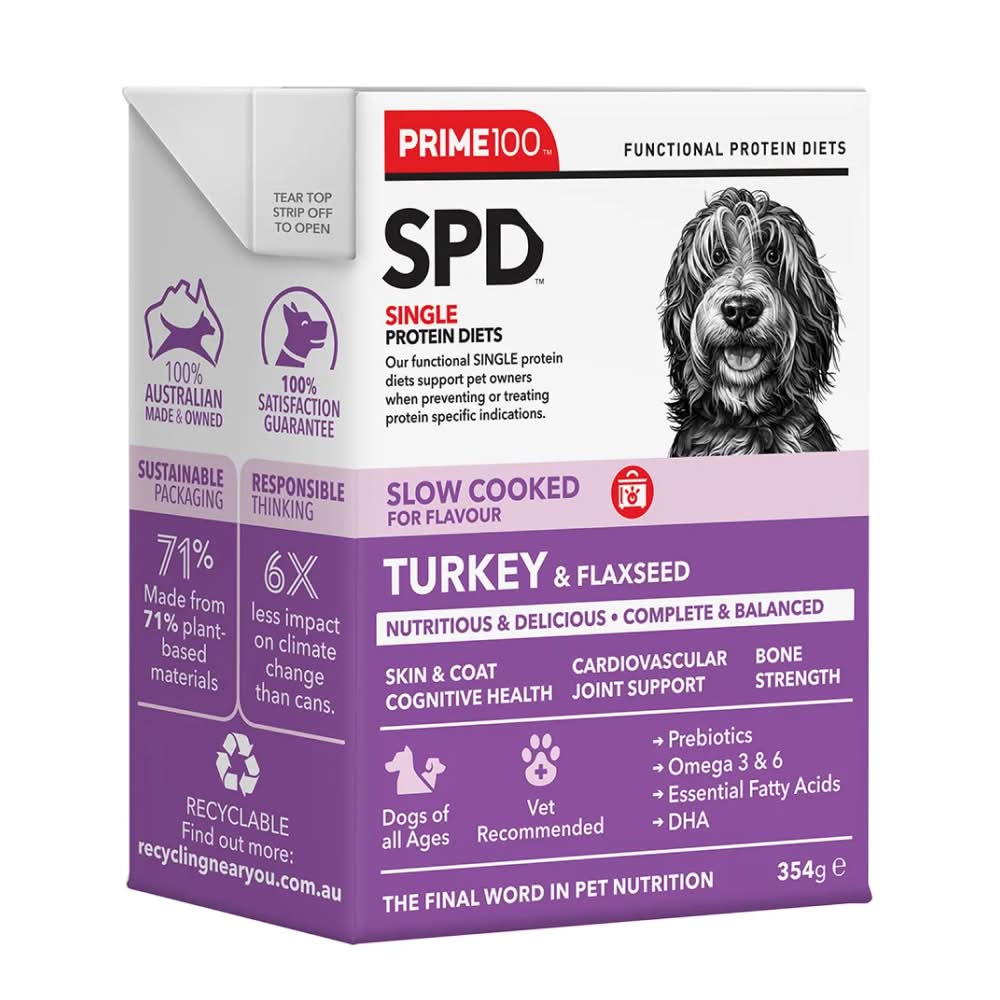
Featured Products:
The General Timeline
Puppies can start being introduced to dry food from around 3 to 4 weeks of age, during the weaning process. At this stage, the kibble needs to be soaked in warm water or puppy milk replacer until it's soft and mushy. Think porridge consistency.
By 6 to 8 weeks, most puppies are fully weaned and eating solid food. This is also the age when most puppies go to their new homes. If you're picking up an 8-week-old puppy from a breeder, chances are they're already eating dry food.
By around 8 to 10 weeks, most puppies can handle dry kibble without any soaking, depending on the size of the kibble and the breed. Small breed puppies may need softened food for a bit longer because their mouths and teeth are smaller.
How to Introduce Kibble to a Young Puppy
If you're weaning a litter or your puppy hasn't been on dry food yet, start by soaking the kibble.
Add warm water to the dry food and let it sit for 10 to 15 minutes until it's soft enough to mash with a fork. For very young puppies (3 to 4 weeks), mix it into a gruel-like consistency. As they get used to it, gradually reduce the water and leave the kibble firmer.
Offer small amounts four times a day at first. Young puppies have tiny stomachs and high energy needs, so frequent small meals work better than two large ones.
Always use a puppy-specific formula. Puppy food has higher protein, fat, and calorie content to support rapid growth. Adult dog food doesn't have the right balance for a developing puppy.

When Can They Eat Fully Dry Kibble?
Most puppies can handle completely dry kibble by 8 to 10 weeks. Some transition faster, others take a bit longer. There's no strict cutoff.
Watch your puppy eat. If they're crunching through the kibble comfortably and not struggling to chew, they're ready. If they're avoiding certain pieces or spitting food out, the kibble may still be too hard or the pieces too large.
Small breed puppies and toy breeds often do better with small-bite kibble designed for their jaw size. Large breed puppies can typically handle standard-sized kibble earlier.
If you're unsure, there's no harm in continuing to add a splash of warm water to soften things slightly. It adds hydration and makes the food more aromatic, which can encourage a hesitant eater.
Frequently Asked Questions
Can a 4-week-old puppy eat dry food?
What should I feed my puppy at 8 weeks?
Do I need to soak puppy food?
Can I mix wet and dry food for my puppy?
How do I know if the kibble is too big for my puppy?





Comments
0 comments
Login to Join the Conversation 💬