




.png)


Gastrointestinal Biome Wet Dog Food

Overview
Hill's Prescription Diet Gastrointestinal Biome Wet Dog Food is a clinically formulated wet diet designed to support digestive health and foster a balanced gut microbiome in dogs with gastrointestinal sensitivities. Digestive issues — including loose stools, gas, bloating, and inconsistent bowel movements — can become a chronic source of discomfort for affected dogs and frustration for their owners. This formula uses a targeted blend of prebiotic fibres to nourish beneficial gut bacteria and support a healthy, well-functioning digestive system.
Formulated by Hill's nutritionists and veterinarians using ActivBiome+ technology, it works in harmony with the dog's natural gut microbiome to improve stool consistency and overall gastrointestinal wellbeing. The wet format can also help increase water intake, supporting gut motility. Always consult your veterinarian to confirm whether this diet is appropriate for your dog.
Nutritional Analysis
Ingredients
Pork Liver, Barley, Chicken, Rice, Ground Pecan Shell, Oat Fibre, Minerals, Digest, Flaxseed, Animal Fat, Dried Citrus Pulp, Dried Beet Pulp, Fish Oil, Cellulose, Soybean Oil, Dried Pumpkin, Dried Cranberries, Vitamins, Fructo-Oligosaccharides, Trace Elements, Dried Ginger, Psyllium, Beta-Carotene.

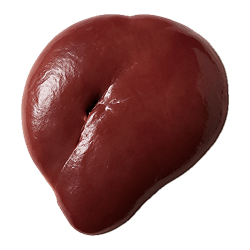
Sus Scrofa Domesticus Liver, Swine Liver, Pig Liver, Porcine Liver
Pork liver is an animal-derived organ meat sourced from pigs. It is included in pet food primarily for its rich content of highly bioavailable protein, essential vitamins (notably vitamin A), and minerals such as iron and zinc. Pork liver is used in its natural, whole food form, providing a concentrated source of nutrients to support overall health and vitality in pets.
Pork liver is included as a nutrient-dense organ meat to provide essential vitamins, minerals, and high-quality protein, supporting the nutritional profile of the product. Its strong flavour also enhances palatability, encouraging consumption by pets.
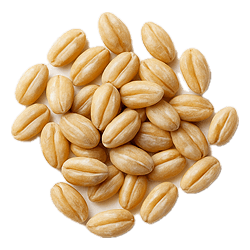
Hordeum Vulgare, Pearl Barley, Malted Barley, Barley Grain
Barley is a cereal grain derived from the plant species Hordeum vulgare. As a plant-based ingredient, it is primarily included in pet food for its carbohydrate content, providing a steady source of energy and dietary fibre to support digestive health. Barley is used in its natural, whole or ground form, ensuring pets benefit from its inherent nutrients and fibre profile.
Barley is included as a cost-effective carbohydrate source that provides energy and dietary fibre. It also serves as a bulk-adding agent to optimise product texture and manufacturing efficiency.
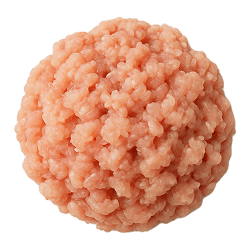
Gallus Gallus Domesticus, Poultry Meat, Domestic Fowl, Broiler Meat
Chicken is a high-quality animal protein sourced from poultry, commonly used in pet foods for its rich amino acid profile and palatability. It provides essential nutrients to support muscle maintenance and overall health. In premium pet foods, chicken is typically included in its natural, whole form, ensuring optimal nutrient availability and digestibility for pets.
Chicken is included as a primary animal protein source to meet nutritional requirements and enhance palatability for pets. Its recognisable presence on the label also appeals to consumers seeking high-quality, meat-based ingredients.
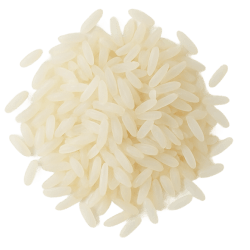
Oryza Sativa, Paddy, Oryza Sativa Grain, Oryza Spp.
Rice is a cereal grain derived from the seeds of the Oryza sativa plant, making it a plant-based ingredient. It serves primarily as a highly digestible source of carbohydrates, providing energy for pets. In pet food, rice is typically used in its natural, whole or milled form, rather than as a processed extract, to optimise digestibility and nutrient availability.
Rice is included as a cost-effective carbohydrate source that provides energy and helps create a desirable texture in pet food. It is also easily digestible, making it suitable for sensitive digestive systems and appealing for marketing as a familiar, label-friendly ingredient.
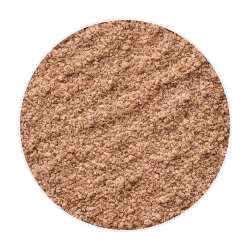
Pecan Shell Powder, Carya Illinoinensis Shell, Pecan Husk Powder, Pecan Shell Fibre
Ground pecan shell is a plant-derived ingredient sourced from the outer shell of pecan nuts. It is primarily included in pet food as a natural fibre source to support digestive health and promote regular bowel movements. Ground pecan shell is used in its natural, finely milled form, providing a safe and effective means of increasing dietary fibre content in premium pet food formulations.
Ground pecan shell is included as a cost-effective fibre source to aid in stool quality and provide bulk to the product. It may also serve as a natural abrasive to support dental health in some formulations.
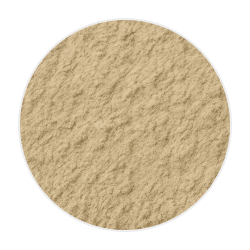
Avena Sativa Fibre, Avena Sativa Dietary Fibre, Oat Dietary Fibre, Oat Fiber
Oat fibre is a plant-derived ingredient sourced from the outer husk of oats. It is primarily included in pet food to promote digestive health by increasing dietary fibre content, supporting healthy bowel movements, and aiding satiety. Oat fibre is used in its natural form, retaining its fibrous structure to optimise gastrointestinal function and overall wellbeing in pets.
Oat fibre is included as a cost-effective source of dietary fibre to aid digestive health and optimise stool quality. It also serves as a bulk-adding agent, helping to improve product texture and maintain kibble structure.

Dietary Minerals, Inorganic Nutrients, Essential Minerals, Bulk Elements
Minerals are essential inorganic nutrients derived from the earth, not produced by animals or plants. They play a critical role in supporting various physiological functions, such as bone development, nerve transmission, and enzyme activity. In pet food, minerals are not used in their natural raw or metallic state; instead, they are incorporated as specific compounds (such as sulphates or chelates) to optimise safety and bioavailability.
Minerals are included to meet essential nutritional requirements for pets, supporting overall health and proper bodily functions. They are often added in precise amounts to ensure the product complies with regulatory standards and nutrient profiles.
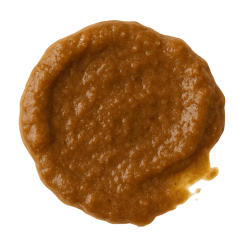
Enzyme Hydrolysate, Protein Hydrolysate, Pancreatin, Peptone
Digest is a palatable ingredient derived from animal tissues, typically through enzymatic or chemical hydrolysis, resulting in a concentrated flavour enhancer. Its primary purpose is to improve the taste and acceptance of pet foods, encouraging consistent consumption. Digest is not used in its raw animal form but is processed into a safe, digestible compound to optimise both flavour and nutritional value for pets.
Digest is included as a palatability enhancer, providing flavour and aroma that increase the appeal of the food to pets. It is a cost-effective way to improve acceptance and consumption rates without significantly impacting the nutritional profile.
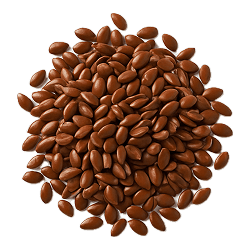
Flaxseed, Linum Usitatissimum, Flax, Flaxseed Oil
Linseed, also known as flaxseed, is a plant-derived ingredient sourced from the seeds of the flax plant (Linum usitatissimum). It is primarily included in pet food for its high content of omega-3 fatty acids and dietary fibre, supporting skin health and digestion. Linseed is used in its natural, whole or ground form to optimise nutrient availability and functional benefits.
Linseed is included as a source of omega-3 fatty acids and dietary fibre, supporting skin and coat health as well as digestive function. Its presence also allows manufacturers to market the product as containing plant-based nutrients and functional ingredients.
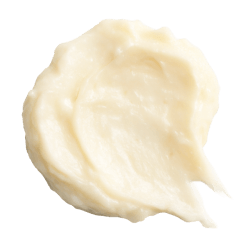
Rendered Fat, Tallow, Lard, E471
Animal fat is a lipid ingredient derived from the tissue of animals, commonly sourced from poultry, beef, or lamb. It serves as a concentrated source of energy and enhances palatability in pet foods. Animal fat is used in its rendered form, not as raw tissue, to ensure safety, stability, and optimal absorption of essential fatty acids for pets’ health and wellbeing.
Animal fat is included as a cost-effective energy source and to enhance palatability, making the product more appealing to pets. It also contributes to the texture and mouthfeel of the final product.

Citrus Pulp, Citrus Pulp Meal, Citrus Residue, Citrus Spp. Pulp
Dried citrus pulp is a plant-derived ingredient produced from the residual pulp of citrus fruits after juice extraction. It serves primarily as a source of dietary fibre and fermentable carbohydrates, supporting digestive health and beneficial gut bacteria in pets. Dried citrus pulp is utilised in its processed, dried form rather than as fresh fruit, ensuring stability, palatability, and consistent nutrient content in pet food formulations.
Dried citrus pulp is included as a cost-effective source of dietary fibre and energy, supporting digestive health and stool quality. It also serves as a bulk-adding agent, helping to optimise production costs while maintaining product texture.
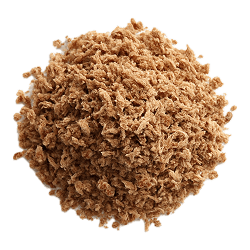
Beet Fibre, Beet Fiber, Beta Vulgaris Pulp, Beta Vulgaris Fibre
Dried beet pulp is a fibrous by-product derived from sugar beet plants after sugar extraction. As a plant-based ingredient, it serves primarily as a source of fermentable fibre, supporting digestive health and stool quality in pets. Dried beet pulp is used in its processed, dried form rather than as fresh beet, optimising its digestibility and functional benefits in pet food formulations.
Dried beet pulp is included as a cost-effective source of dietary fibre to promote digestive health and stool quality in pets. It also serves as a bulk-adding agent, helping to optimise the texture and consistency of the final product.
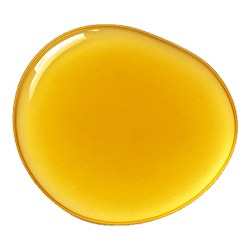
Fish Liver Oil, Oleum Piscis, Oleum Jecoris, Oleum Piscarium
Fish oil is a nutrient-rich oil derived from the tissues of oily fish, making it an animal-based ingredient. It is primarily included in pet food for its high content of omega-3 fatty acids, which support skin, coat, and joint health. Fish oil is utilised in a purified, liquid form rather than as whole fish, ensuring optimal absorption and safety for pets.
Fish oil is included as a source of omega-3 fatty acids to support skin, coat, and joint health, enhancing the nutritional profile of the product. Its presence also serves as a marketing point, appealing to consumers seeking functional health benefits for their pets.
Beta-Glucan Homopolysaccharide, E460, Microcrystalline Cellulose, Plant Fibre
Cellulose is a plant-derived carbohydrate sourced primarily from the cell walls of fibrous plants. It serves as an insoluble dietary fibre in pet food, supporting healthy digestion and promoting optimal stool quality. Cellulose is not used in its raw plant form but is processed into a purified, food-grade powder to ensure consistency, safety, and effective fibre delivery in formulated diets.
Cellulose is included as a cost-effective fibre source to promote digestive health and regulate stool quality in pet food formulations. It also serves as a bulk-adding agent, helping to control calorie density without significantly impacting palatability.
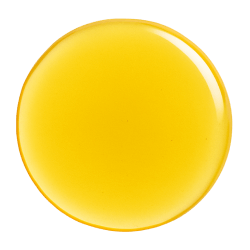
Glycine Max Oil, E322, Soya Oil, Soya Bean Oil
Soybean oil is a plant-derived oil extracted from the seeds of the soybean (Glycine max). It serves as a concentrated source of energy and provides essential fatty acids, particularly linoleic acid, which supports skin and coat health in pets. Soybean oil is utilised in its refined liquid form, not as whole soybeans, to optimise digestibility and nutrient availability in pet food formulations.
Soybean oil is included as a cost-effective source of fat and essential fatty acids, supporting energy density and skin and coat health in pet food. It also contributes to product texture and palatability while helping to optimise manufacturing costs.

Cucurbita Pepo, Pumpkin Powder, Dehydrated Pumpkin, Pumpkin Flake
Dried pumpkin is a plant-derived ingredient made by dehydrating whole pumpkin to preserve its nutrients. It is primarily included in pet food for its dietary fibre content, which supports healthy digestion and stool quality. Dried pumpkin is used in its natural form, ensuring pets benefit from its vitamins, minerals, and antioxidants as found in the original vegetable.
Dried pumpkin is included as a cost-effective source of dietary fibre and carbohydrates, supporting digestive health and stool quality. It also serves as a label-friendly ingredient that appeals to consumers seeking natural and recognisable components in pet food.

Dried Vaccinium Macrocarpon, Dehydrated Cranberry, Desiccated Cranberry, Cranberry Raisin
Dried cranberry is a fruit ingredient derived from the cranberry plant (Vaccinium macrocarpon), a native North American shrub. It is included in pet food primarily for its antioxidant content and potential urinary tract health benefits. Dried cranberry is used in its natural, whole food form, providing a source of dietary fibre, vitamins, and phytonutrients to support overall pet wellbeing.
Dried cranberry is included as a label-friendly ingredient to appeal to consumers seeking natural or antioxidant-rich components in pet food. It may also provide a minor source of vitamins and support product marketing claims, though its functional impact on canine nutrition is limited at typical inclusion rates.
Micronutrients, Essential Micronutrients, Vital Nutrients, Accessory Food Factors
Vitamins are organic compounds derived from both plant and animal sources, essential for numerous metabolic and physiological functions in pets. Their primary purpose is to support immune health, vision, bone development, and cellular processes. In pet food, vitamins are not used in their natural, raw forms but are instead incorporated as stabilised compounds or premixes to ensure safety, stability, and optimal bioavailability.
Vitamins are included to ensure nutritional adequacy and meet regulatory requirements for complete and balanced pet food. They may also be added to compensate for nutrient losses during processing and storage.
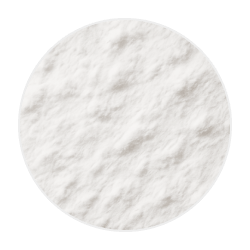
Oligofructose, FOS, Oligofructan, E968
Fructooligosaccharides are short-chain carbohydrates derived from plant sources such as chicory root. They serve primarily as prebiotics, supporting digestive health by promoting the growth of beneficial gut bacteria. Fructooligosaccharides are not used in their whole plant form but are extracted and purified for inclusion in pet food, ensuring optimal efficacy and digestibility for companion animals.
Fructooligosaccharides are included as a prebiotic fibre to support digestive health by promoting beneficial gut bacteria. They also serve as a label-friendly functional ingredient that can enhance the perceived nutritional value of the product.
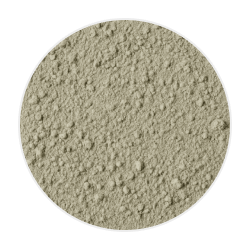
Micronutrients, Oligoelements, Microelements, Essential Trace Minerals
Trace elements are essential minerals required by pets in minute amounts for optimal health, originating from natural sources but not used in their raw or metallic state. Instead, they are incorporated into pet food as specific compounds, such as chelates or sulphates, to ensure safety and effective absorption. Their primary purpose is to support vital physiological functions, including enzyme activity, immune response, and metabolic processes.
Trace elements are included to meet essential micronutrient requirements for canine health, ensuring the product complies with nutritional standards. Their addition supports balanced nutrition without significantly impacting cost or palatability.
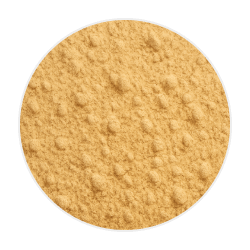
Zingiber Officinale, Sun-Dried Ginger, Dehydrated Ginger, Ginger Root Powder
Dried ginger is a plant-derived ingredient obtained from the root of the Zingiber officinale plant, processed by drying and grinding. It is primarily included in pet food for its natural antioxidant and digestive-supporting properties. Dried ginger is used in its natural, whole food form, ensuring the retention of its bioactive compounds for optimal nutritional benefit and palatability.
Dried ginger is included as a label-friendly ingredient to appeal to health-conscious consumers and enhance the perceived nutritional value of the product. It may also serve a minor functional role as a natural flavouring agent.
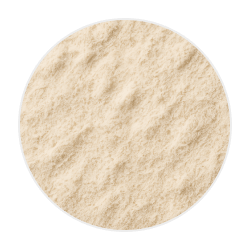
Ispaghula, Ispaghula Husk, Plantago Ovata, Blond Psyllium
Psyllium is a plant-derived ingredient sourced from the husks of Plantago ovata seeds. It is primarily included in pet food for its high soluble fibre content, which supports digestive health and helps regulate bowel movements. Psyllium is used in its natural husk form, allowing pets to benefit from its gentle bulking and water-absorbing properties to optimise gastrointestinal function.
Psyllium is included as a functional fibre source to support digestive health and promote regular bowel movements in pets. It also serves as a bulk-adding agent, helping to optimise stool quality and moisture content.
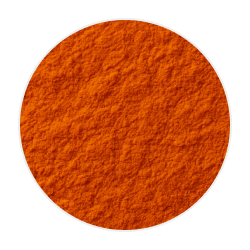
Provitamin A, E160a, All-Trans-Beta-Carotene, CI 40800
Beta carotene is a plant-derived pigment and precursor to vitamin A, commonly sourced from carrots and other colourful vegetables. Its primary nutritional benefit is supporting vision, immune function, and antioxidant defence. In pet food, beta carotene is utilised in its extracted or purified form rather than as whole vegetables, ensuring consistent potency and bioavailability for optimal health outcomes.
Beta carotene is included as a natural source of vitamin A and as a colour-enhancing agent to improve the visual appeal of the product. Its presence also allows for label-friendly marketing, appealing to consumers seeking natural additives.
About


PRODUCT TAGS
Most Tracked This Week








About the Brand



Comments
0 comments
Login to Join the Conversation 💬