







SPD™ Fresh Roll Pea and Algae Oil

Overview
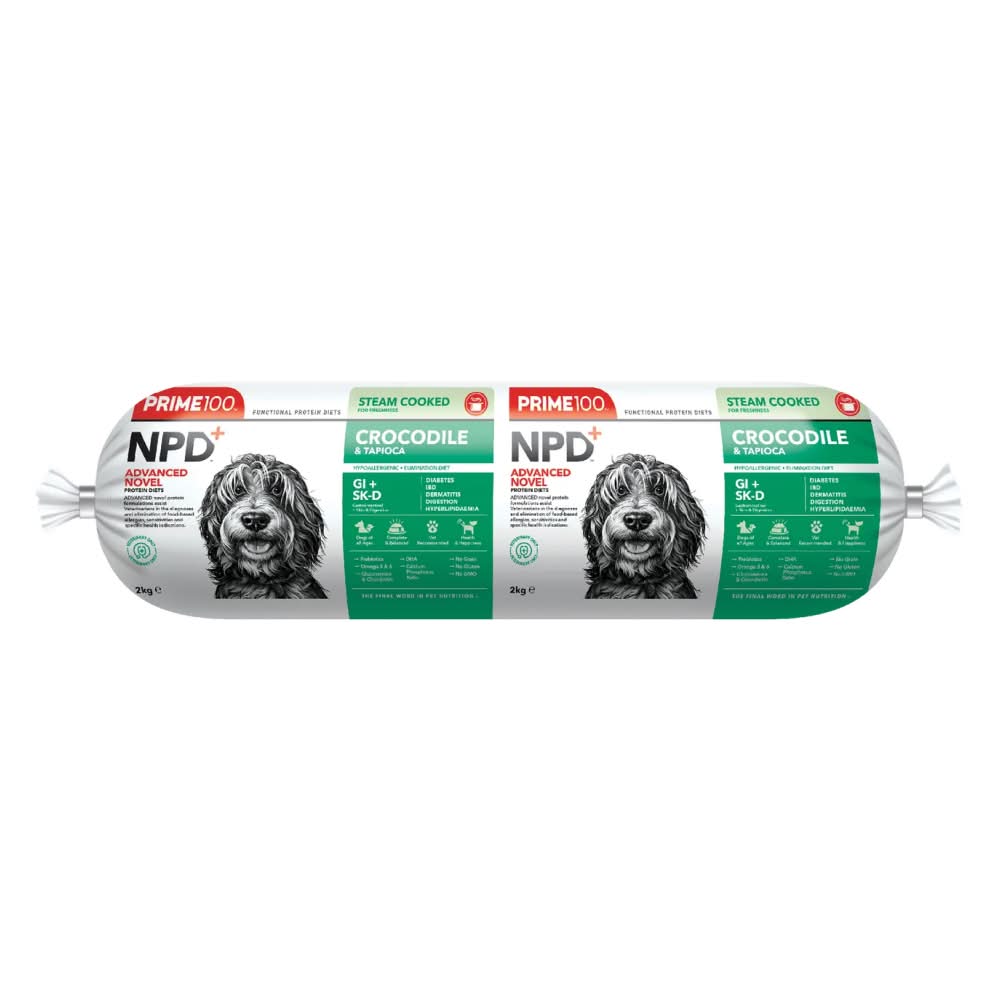
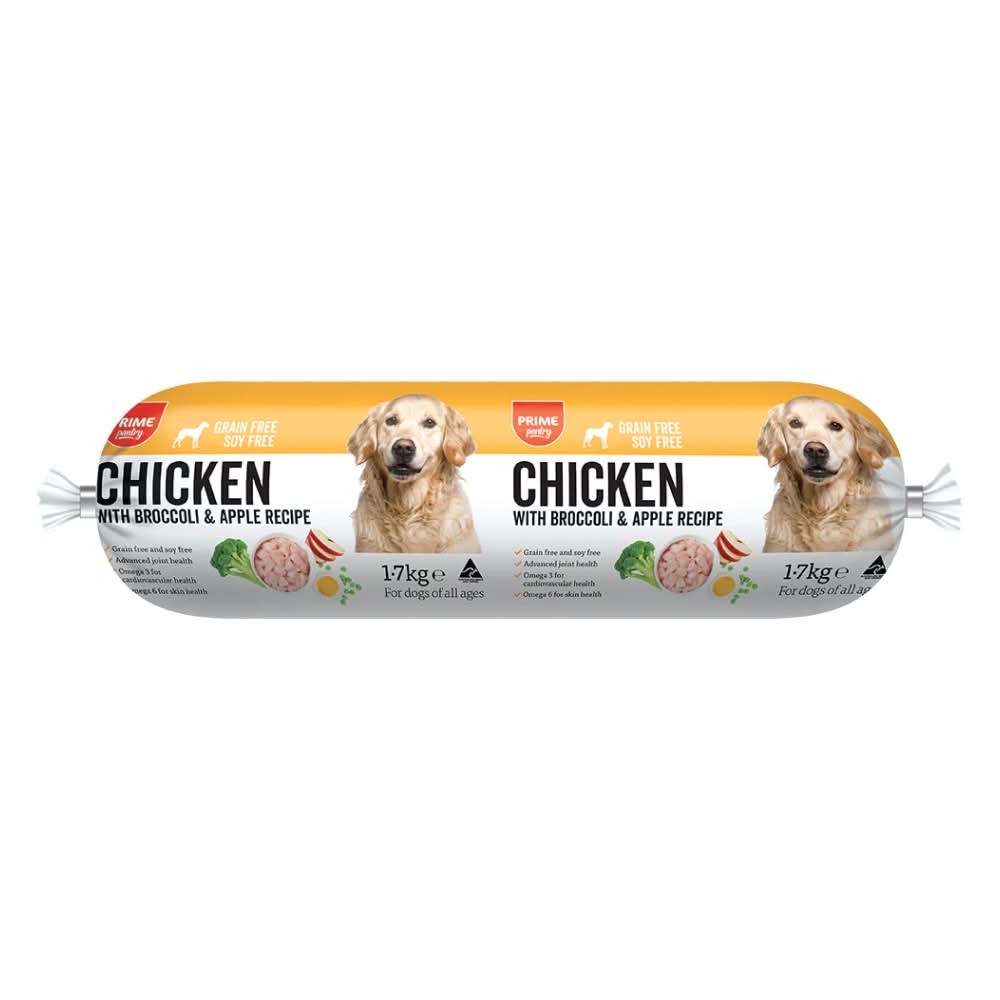
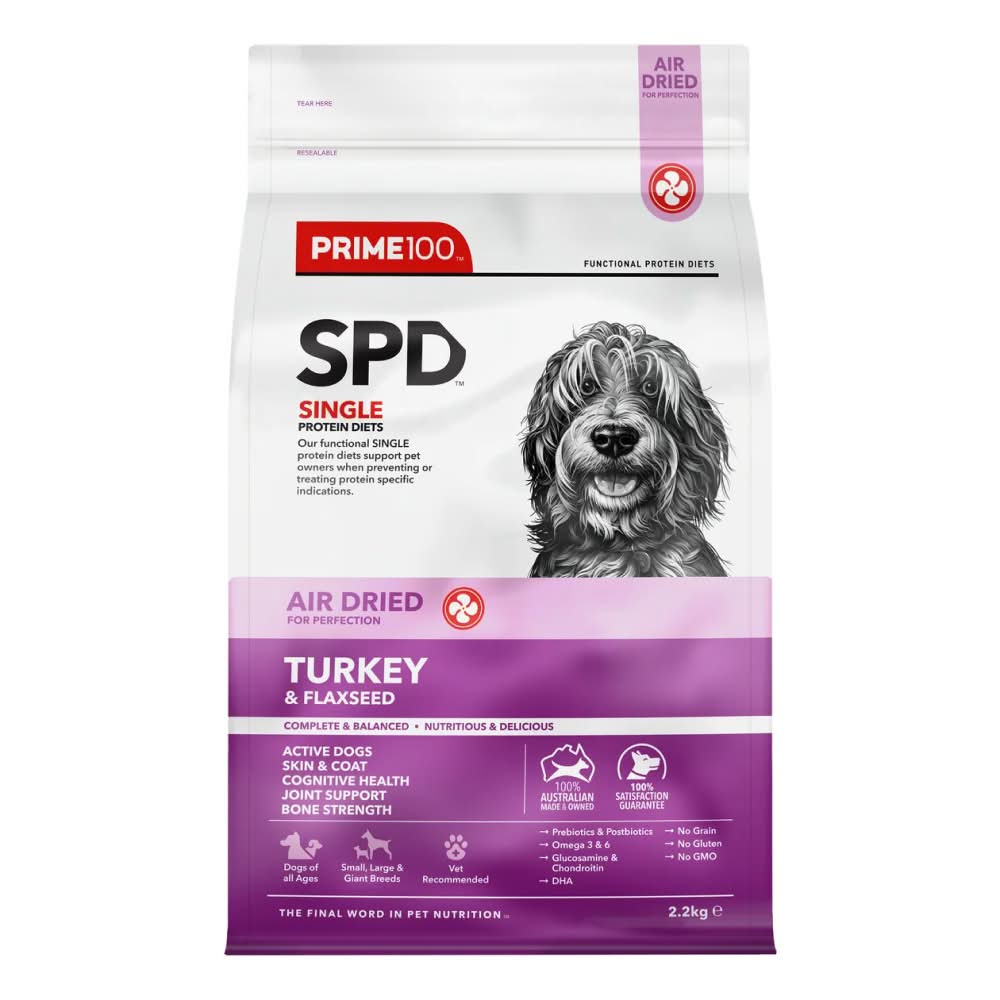
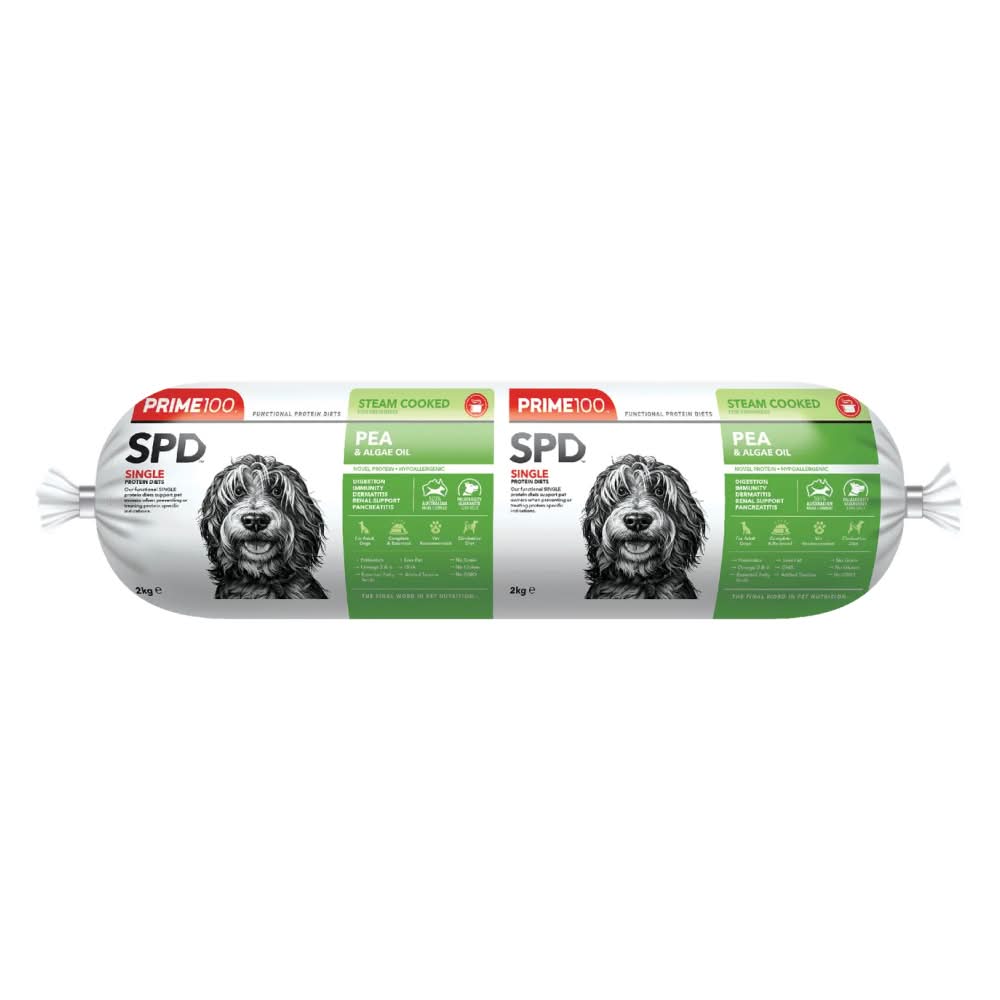
Prime100 SPD Pea and Algae Oil is a non meat fresh dog food roll designed for dogs with severe food sensitivities. It uses pea protein isolate as a novel source for elimination diets, assisting dogs with suspected meat allergies. This grain free recipe includes natural anti-inflammatories and antihistamines to soothe skin irritations and allergic reactions.
The inclusion of algae and flaxseed oils provides essential omega fatty acids for skin health and a glossy coat. Natural prebiotics such as bamboo fibre and pumpkin are added to support gastrointestinal health and regular digestion. Each roll is gently steam cooked to lock in moisture and essential nutrients.
This formula is complete and balanced for adult dogs, meeting AAFCO standards without artificial colours or flavours.
Its low fat and phosphorus levels make it ideal for dogs with pancreatitis or early renal issues. The firm texture ensures it is easy to portion for daily meals or functional rewards.
Nutritional Analysis
Ingredients
Tapioca, Carrots, Pea Protein Isolate, Pumpkin, Sweet Potato, Broccoli, Bamboo Fibre, Natural Flavour, Functional Oils (Algae, Flaxseed, Sunflower, Evening Primrose, Coconut), Vitamins and Minerals, Seaweed Extract, Salt, Potato, Chicory Root Extract, Taurine, Parsley, Turmeric, Essential Amino Acids, Celery Seed Powder, Natural Digestive Enzymes.

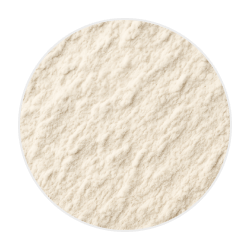
Cassava, Manioc, Yuca, Manihot Esculenta
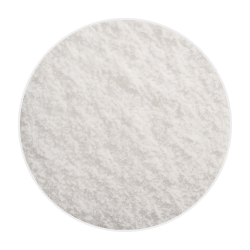
Tapioca is a starch extracted from the root of the cassava plant, a tropical crop native to South America. As a plant-derived ingredient, its primary purpose in pet food is to provide a highly digestible source of carbohydrates and energy. Tapioca is used in its natural, processed form as a purified starch, not as whole cassava root, ensuring safety and digestibility.
Tapioca is included as a cost-effective carbohydrate source that provides energy and helps bind kibble, contributing to the desired texture and structure of the final product. Its neutral flavour and hypoallergenic properties also make it suitable for formulating diets for pets with sensitivities.

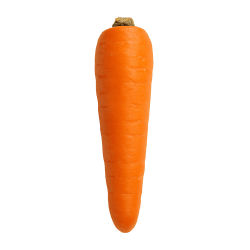
Daucus Carota, Daucus Carota Root, Daucus Carota Sativa, Wild Carrot
Carrot is a root vegetable of plant origin, widely recognised for its vibrant orange colour and natural sweetness. In pet food, carrot is included in its natural, whole form to provide dietary fibre, beta-carotene (a precursor to vitamin A), and antioxidants. Its primary benefit is supporting digestive health and immune function, while also contributing to overall palatability and nutritional diversity.
Carrot is included as a label-friendly ingredient to appeal to consumers seeking recognisable, natural components and to enhance the product’s perceived nutritional value. It may also provide a modest source of fibre and vitamins, supporting marketing claims of added health benefits.

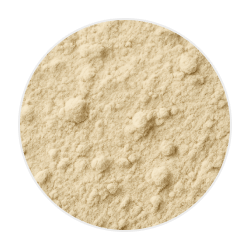
Pisum Sativum Protein Isolate, Isolated Pea Protein, Pea Protein Concentrate, Pisum Sativum Isolate
Pea protein isolate is a concentrated protein ingredient derived from yellow peas, a plant source. It is primarily included in pet food to boost protein content and support muscle maintenance and development. Rather than using whole peas, the protein is extracted and isolated through processing, resulting in a purified form that optimises digestibility and amino acid availability for pets.
Pea protein isolate is included as a cost-effective, plant-based protein source to boost the overall protein content of the product without relying solely on animal proteins. It also appeals to consumers seeking grain-free or alternative protein options, supporting marketing claims.

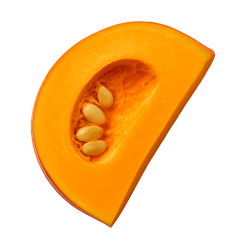
Cucurbita Pepo, Cucurbita Maxima, Cucurbita Moschata, Pepo
Pumpkin is a plant-derived ingredient sourced from the fruit of the Cucurbita pepo species. It is primarily included in pet food for its dietary fibre content, which supports digestive health and regularity. Pumpkin is used in its natural form, either as fresh, cooked, or dehydrated flesh, providing a source of vitamins, minerals, and antioxidants beneficial to overall wellbeing.
Pumpkin is included as a label-friendly ingredient that appeals to consumers seeking natural and recognisable components, while also serving as a cost-effective source of fibre and moisture to support digestive health and product texture. Its inclusion can enhance marketing appeal without significantly increasing formulation costs.

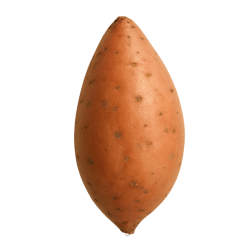
Ipomoea Batatas, Kumara, Batata, Camote
Sweet potato is a root vegetable of plant origin, valued for its rich content of complex carbohydrates, dietary fibre, and essential micronutrients such as vitamin A. In pet food, sweet potato serves primarily as a digestible energy source and supports digestive health. It is incorporated in its natural, whole form, ensuring optimal nutrient retention and palatability for companion animals.
Sweet potato is included as a cost-effective, highly digestible carbohydrate source that provides energy and dietary fibre. It also serves as a label-friendly ingredient appealing to consumers seeking natural, whole-food components in pet food.

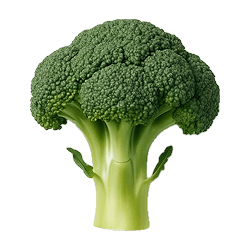
Brassica Oleracea Italica, Calabrese, Sprouting Broccoli, EATME Broccoli
Broccoli is a nutrient-rich vegetable derived from the plant species Brassica oleracea. As a plant-based ingredient, it is included in pet food primarily for its dietary fibre, vitamins, and antioxidant content, supporting digestive health and immune function. Broccoli is used in its natural form, ensuring pets benefit from its whole-food nutritional profile without synthetic alteration.
Broccoli is included as a label-friendly ingredient to appeal to health-conscious consumers and enhance the perceived nutritional value of the product. It may also contribute small amounts of fibre, vitamins, and antioxidants, supporting marketing claims of added health benefits.

Bambusa Spp. Fibre, Bamboo Cellulose, Bamboo Dietary Fibre, Bamboo Plant Fibre
Bamboo fibre is a plant-derived ingredient sourced from the stalks of bamboo plants. It is primarily included in pet food as a functional source of dietary fibre, supporting digestive health and stool quality. Bamboo fibre is used in its processed form, not as raw bamboo, to ensure safety, digestibility, and optimal fibre content for pets’ nutritional needs.
Bamboo fibre is included as a cost-effective, label-friendly source of dietary fibre to aid stool quality and digestive health. It also serves as a bulk-adding agent, helping to optimise product texture and manufacturing efficiency.

Natural Flavouring, Flavouring Substance, Flavouring Preparation, Flavouring Complex
Natural flavour is a food additive derived from animal or plant sources, designed to enhance the palatability of pet food. Its primary purpose is to improve taste and encourage consistent consumption. Rather than being used in its original raw form, natural flavour is typically processed and concentrated to ensure safety, stability, and uniformity in pet food formulations, while maintaining its natural origin.
Natural flavour is included to enhance palatability, encouraging pets to consume the product. It also allows manufacturers to improve taste without specifying individual flavouring agents, supporting flexible formulation and label-friendly marketing.

Algal Oil, Microalgae Oil, Schizochytrium Spp. Oil, Crypthecodinium Cohnii Oil
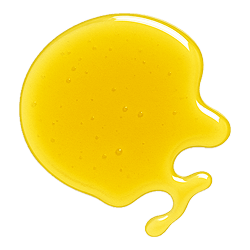
Algae oil is a plant-derived oil extracted from various species of microalgae. It serves as a rich source of omega-3 fatty acids, particularly DHA, which supports cognitive and visual development in pets. Algae oil is utilised in its refined form, not as whole algae, to ensure purity, safety, and optimal absorption of its beneficial nutrients in pet food formulations.
Algae oil is included as a sustainable and label-friendly source of omega-3 fatty acids, providing a plant-based alternative to fish oil. Its use allows manufacturers to appeal to environmentally conscious consumers while supporting the nutritional profile of the product.

Flaxseed Oil, Oleum Lini, E401, Linum Usitatissimum Oil
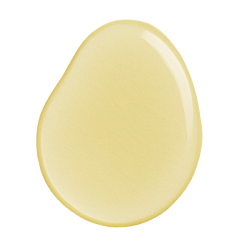
Linseed oil, derived from the seeds of the flax plant (Linum usitatissimum), is a plant-based ingredient valued for its high content of omega-3 fatty acids, particularly alpha-linolenic acid (ALA), which supports skin and coat health in pets. In pet food, linseed oil is utilised in its natural, cold-pressed form to optimise nutrient retention and bioavailability.
Linseed oil is included as a source of omega-3 fatty acids to support skin and coat health, providing a plant-based alternative to fish oils. Its presence also allows manufacturers to market the product as containing beneficial oils for overall wellbeing.

Helianthus Annuus Seed Oil, Helianthus Annuus Oil, E471, Vegetable Oil (Helianthus Annuus)
Sunflower oil is a plant-derived oil extracted from the seeds of the sunflower (Helianthus annuus). It serves as a valuable source of energy and provides essential fatty acids, particularly linoleic acid, which supports skin and coat health in pets. Sunflower oil is utilised in its refined liquid form, not as whole seeds, to optimise digestibility and nutrient availability in pet food formulations.
Sunflower oil is included as a cost-effective source of unsaturated fats to provide essential fatty acids that support skin and coat health. It also enhances palatability and contributes to the overall energy content of the pet food.

Oenothera Biennis Oil, Oenothera Biennis Seed Oil, EPO, Oenothera Oil
Evening Primrose Oil is a plant-derived oil extracted from the seeds of the evening primrose plant (Oenothera biennis). It is primarily included in pet food for its high content of gamma-linolenic acid (GLA), an omega-6 fatty acid that supports skin and coat health. Evening Primrose Oil is used in its natural, cold-pressed form to optimise nutrient retention and bioavailability.
Evening Primrose Oil is included as a source of omega-6 fatty acids, particularly gamma-linolenic acid, to support skin and coat health in pets. Its presence also serves a marketing function, appealing to consumers seeking premium or holistic ingredients.

Cocos Nucifera Oil, Copra Oil, E472c, Coconut Fat
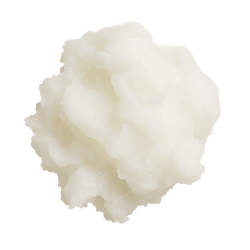
Coconut oil is a plant-derived oil extracted from the flesh of mature coconuts. It is primarily included in pet food for its energy-dense medium-chain triglycerides, which support healthy skin, coat, and metabolism. Coconut oil is used in its natural, refined form, ensuring it is safe and readily digestible for pets while delivering its functional nutritional benefits.
Coconut oil is included as a source of medium-chain triglycerides, which are marketed for their potential health benefits and digestibility. It also serves as a label-friendly ingredient that appeals to consumers seeking natural or premium pet food formulations.

Micronutrients, Essential Nutrients, Dietary Micronutrients, Nutrient Elements
Vitamins and minerals are essential micronutrients derived from both animal and plant sources, as well as synthesised compounds. They play a critical role in supporting metabolic processes, immune function, and overall health in pets. These nutrients are not used in their natural elemental or raw forms; instead, they are incorporated as specific compounds, such as salts or chelates, to optimise safety, stability, and bioavailability.
Vitamins and minerals are included to ensure the product meets established nutritional standards for complete and balanced pet food, supporting overall health and wellbeing. Their addition allows manufacturers to compensate for any nutrient losses during processing and to optimise the nutritional profile regardless of ingredient variability.

Algae Extract, Marine Algae Extract, Macrocystis Pyrifera Extract, Laminaria Digitata Extract
Seaweed extract is a plant-derived ingredient sourced from various marine algae species. It is primarily included in pet food for its rich content of vitamins, minerals, and antioxidants, supporting immune health and overall wellbeing. Rather than using whole seaweed, manufacturers utilise a concentrated extract to optimise nutrient availability and ensure consistent quality, making it more effective and digestible for pets.
Seaweed extract is included as a natural source of minerals, trace elements, and dietary fibre, supporting nutritional labelling claims and marketing appeal. It may also function as a natural thickener or stabiliser, contributing to product texture and shelf stability.

Sodium Chloride, NaCl, Table Salt, E535
Salt is a mineral ingredient derived from the combination of sodium and chloride, typically sourced from natural deposits or seawater. It is primarily included in pet food to support electrolyte balance, nerve function, and hydration. Salt is not used in its raw mineral form but is utilised as sodium chloride, a purified compound, to ensure safety, palatability, and optimal absorption in pets.
Salt is included as a palatability enhancer to improve taste and encourage consumption, and also functions as a preservative to help extend product shelf life. Its use allows manufacturers to optimise flavour while maintaining product stability.

Solanum Tuberosum, Irish Potato, White Potato, Eirinn Potato
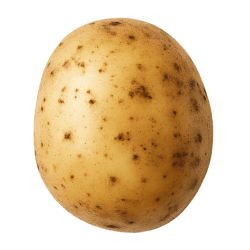
Potato is a starchy tuber derived from the plant Solanum tuberosum, commonly cultivated for both human and animal consumption. In pet food, potato serves primarily as a source of digestible carbohydrates and dietary fibre, supporting energy needs and digestive health. Potato is included in its natural, whole food form, providing a hypoallergenic alternative to common grains in premium pet diets.
Potato is included as a cost-effective carbohydrate source that provides energy and bulk to pet food formulations. It also serves as a grain-free alternative to traditional fillers, appealing to consumers seeking grain-free options.

Cichorium Intybus Extract, Cichorium Intybus Root Extract, Inulin Extract, Cichorium Intybus L. Root Extract
Chicory root extract is derived from the root of the chicory plant, a perennial herb native to Europe and cultivated in Australia. Primarily, it serves as a source of inulin, a prebiotic fibre that supports digestive health and beneficial gut bacteria in pets. Rather than using the whole root, the extract is utilised in a concentrated form to optimise its functional benefits.
Chicory root extract is included as a source of prebiotic fibre to support digestive health and promote beneficial gut bacteria. It also serves as a label-friendly ingredient that appeals to health-conscious consumers.

2-Aminoethanesulphonic Acid, L-Taurine, E107, 2-Aminoethane-1-Sulphonic Acid
Taurine is a naturally occurring amino sulfonic acid derived from animal sources, particularly meat and fish. It is added to pet food to support cardiovascular health, vision, and proper immune function, especially in cats who cannot synthesise it sufficiently. Taurine is not used in its raw form; instead, it is incorporated as a purified, synthesised compound to ensure stability, safety, and optimal absorption.
Taurine is included to ensure adequate levels of this essential amino acid, particularly in diets where animal protein content may be insufficient to meet canine or feline nutritional requirements. Its addition supports cardiovascular health and is often used to address consumer concerns about diet-associated heart issues.

Petroselinum Crispum, Garden Parsley, Common Parsley, E461
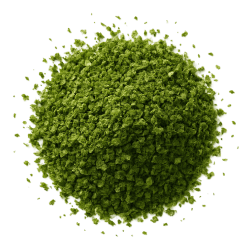
Parsley is a leafy herb of plant origin, commonly used in pet food for its natural antioxidant properties and as a source of vitamins such as vitamin K and C. It is primarily included to support immune health and freshen breath. In pet food formulations, parsley is used in its natural, whole form, ensuring the retention of its beneficial phytonutrients and fibre content.
Parsley is included as a label-friendly ingredient to appeal to pet owners seeking natural or recognisable components in pet food. It may also be added for its perceived breath-freshening properties, though its functional impact on canine nutrition is minimal.

Curcuma Longa, Indian Saffron, Jiang Huang, E100
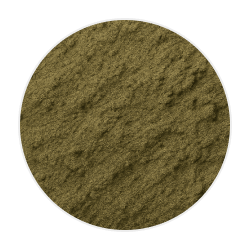
Turmeric is a vibrant yellow spice derived from the root of the Curcuma longa plant, making it a plant-based ingredient. It is primarily included in pet food for its natural antioxidant and anti-inflammatory properties, supporting overall health and wellbeing. Turmeric is used in its natural powdered form, ensuring pets benefit from its active compound, curcumin, in a safe and bioavailable manner.
Turmeric is included as a label-friendly ingredient to appeal to health-conscious consumers due to its association with natural antioxidants and anti-inflammatory properties. Its presence may also support marketing claims related to holistic or functional pet foods, despite being used in small quantities with minimal direct nutritional impact for pets.

L-Amino Acids, α-Amino Acids, Proteinogenic Amino Acids, E620-E640
Amino acids are organic compounds derived from both animal and plant sources, serving as the fundamental building blocks of proteins. Their primary nutritional benefit is to support muscle development, tissue repair, and overall metabolic function in pets. In pet food, amino acids are not used in their isolated natural form but are typically included as specific, bioavailable compounds to optimise absorption and efficacy.
Amino acids are included to ensure the product meets essential protein and nutrient requirements for pets, supporting overall health and development. They may also be added to optimise the amino acid profile of the food, compensating for any deficiencies in the primary protein sources.

Apium Graveolens Seed Powder, Ground Celery Seed, Celery Seed Extract, Apium Graveolens Seed
Celery seed powder is a plant-derived ingredient made from ground seeds of the celery plant (Apium graveolens). It is primarily included for its natural antioxidant properties and potential to support urinary tract health. In pet food, celery seed powder is used in its natural, powdered form, allowing for safe consumption and optimal absorption of its beneficial phytonutrients and minerals.
Celery seed powder is included as a label-friendly ingredient to appeal to health-conscious consumers, as it is associated with natural flavouring and potential antioxidant properties. Its addition may also contribute to product palatability and perceived nutritional value without significantly impacting formulation costs.

Digestive Enzyme Complex, Enzyme Blend, Pancreatin, Bromelain
Natural digestive enzymes are biologically active proteins derived from animal or plant sources, such as pancreas or pineapple, and are included in pet food to support the breakdown of nutrients and optimise digestive efficiency. These enzymes are utilised in their extracted, purified form rather than as whole foods, ensuring stability, safety, and efficacy in aiding nutrient absorption and gastrointestinal health.
Natural digestive enzymes are included to support the breakdown and absorption of nutrients, potentially improving digestive efficiency in pets. Their presence also serves as a marketing feature, appealing to consumers seeking functional health benefits in pet food.
Score Card
Every product is assessed using the Dog Directory Integrity Framework, giving dog owners a clear and trustworthy way to compare products. This ensures each review reflects overall quality and formulation integrity, not just marketing claims.
- /40
- /30
- /15
- /10
- /5
- Overall ScoreScore Info
As a pet owner, you naturally want the best for your dog. From regular vet visits to nutritious meals, ensuring your furry friend is healthy and happy is always top of mind. But beyond food and exercise, supplements are becoming an increasingly popular way to support your dog’s overall well-being. In this comprehensive guide, we’ll dive into the world of dog supplements, explaining what they are, why they matter, and how to choose the right ones for your pup.
0/100

About
PRODUCT TAGS
About the Brand
PRIME100
Prime100 provides specialised Australian made single protein diets and functional meals designed for dogs with complex dietary needs. Discover their vet endorsed range of novel protein recipes to support your pet's long term health and allergy management.


Comments
0 comments
Login or Register to Join the Conversation