
























This guide breaks down what the research actually says, which ingredients have credible evidence behind them, and what to look for — and avoid — when choosing a calming supplement for your dog.
In Short:
Calming supplements for dogs can be effective for mild-to-moderate anxiety and stress, particularly those containing evidence-backed ingredients like L-theanine, L-tryptophan, melatonin, and certain herbal compounds.
They work best as part of a broader management plan that includes enrichment, training, and — where needed — veterinary guidance. They are not a substitute for treatment of severe anxiety or behavioural disorders.

If your dog struggles with anxiety, hyperactivity, or stress-related behaviour, you've probably come across calming supplements. The market is packed with chews, powders, and liquids claiming to take the edge off — but do they actually deliver results?
The short answer: some do, for some dogs, under the right circumstances. But the evidence behind specific ingredients varies significantly, and 'calming supplements' is not a one-size-fits-all category.
What Are Calming Supplements for Dogs?
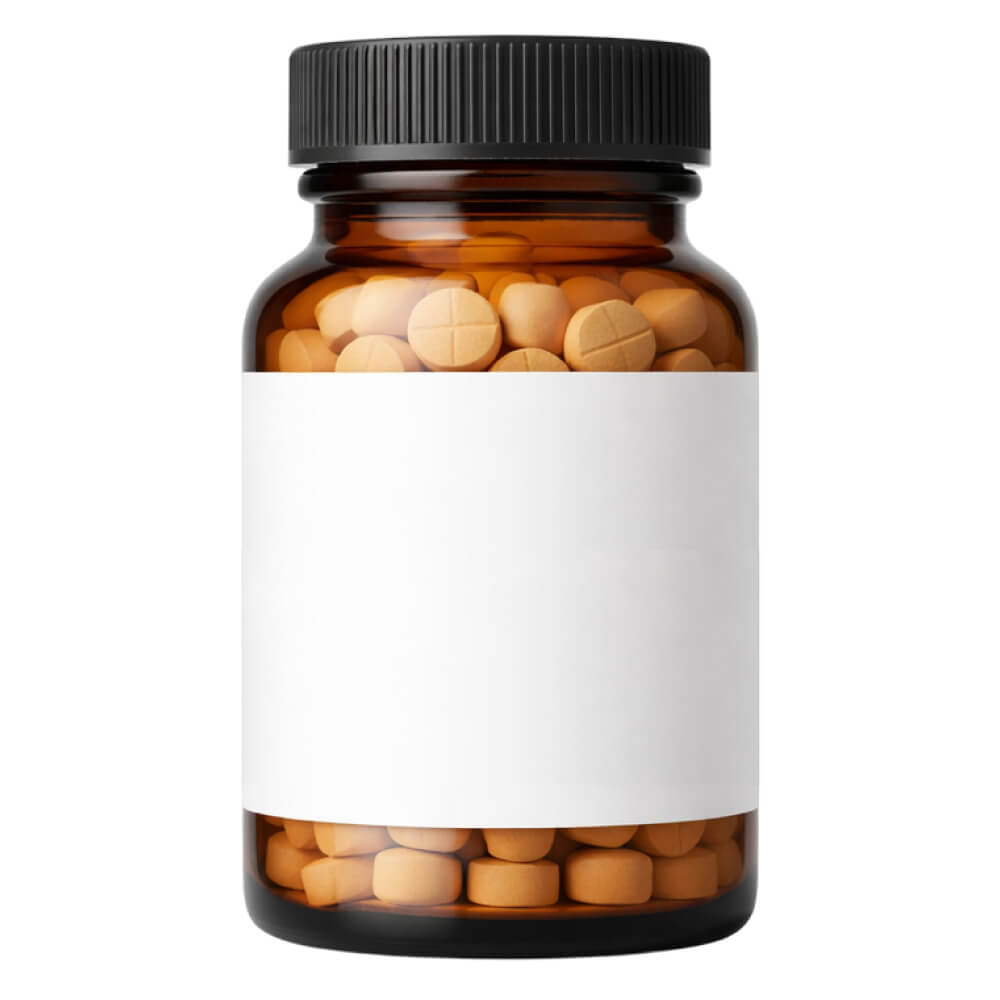
Calming supplements are non-prescription products designed to reduce anxiety, stress, and excitability in dogs. They are available in forms including:
- Soft chews or treats
- Powders added to food
- Liquid drops or sprays
- Capsules or tablets
They typically contain one or more active ingredients from three categories: amino acids, plant-based extracts, and neurotransmitter precursors. Unlike prescription medications (such as benzodiazepines or SSRIs), calming supplements are sold over the counter and are generally considered safe for routine use in healthy dogs.
They are commonly used for:
- Generalised anxiety or nervousness
- Situational stress — fireworks, thunderstorms, travel, vet visits
- Separation anxiety (mild cases)
- Hyperactivity and excitability
- Reactive or aggressive behaviour linked to anxiety

The Evidence: What Actually Works?
L-Theanine: The Strongest Case
L-theanine — an amino acid naturally occurring in green tea — has the most consistent evidence behind it for dogs. Research published in veterinary journals has shown it can reduce signs of anxiety and improve calmness in dogs exposed to noise stressors. It works by modulating GABA activity and increasing alpha brain wave production, promoting relaxation without sedation.
Products such as Zylkene (alpha-casozepine) and Anxitane (L-theanine) have demonstrated measurable effects in randomised, placebo-controlled trials — the gold standard of evidence.
L-Tryptophan: The Serotonin Pathway
L-tryptophan is a dietary precursor to serotonin. When consistently supplemented, it can increase serotonin availability in the brain, supporting a calmer baseline mood. It is not fast-acting — effects typically build over 2–4 weeks of consistent use — making it better suited to managing chronic, low-level anxiety rather than acute stress events.
Melatonin: Best for Situational Use
Melatonin is well-supported for situational use in dogs, particularly for noise phobias (fireworks, thunderstorms) and anxiety-related sleep disruption. It is fast-acting and widely considered safe for short-term use. It is less effective as a standalone solution for complex behavioural anxiety.
Nutraceuticals should be viewed as adjunctive — they work alongside behavioural interventions, not instead of them. For dogs with moderate-to-severe anxiety, calming supplements alone are unlikely to be sufficient.
When Calming Supplements Work Best
The effectiveness of calming supplements is strongly influenced by context. Here is when you are most likely to see results:
- Mild to moderate anxiety — supplements have the strongest evidence for dogs with lower anxiety baselines
- Situational stress — one-off events like vet visits, car travel, or fireworks night are ideal use cases
- As a complement to training — supplements can reduce arousal, making behaviour modification more effective
- Consistent, long-term use — single doses of formulations like L-tryptophan are unlikely to show obvious results; allow 4–6 weeks
When Calming Supplements Are NOT Enough
It is important to be realistic. Calming supplements are not appropriate as a primary or sole treatment for:
- Severe separation anxiety causing destruction, self-injury, or extreme distress
- Aggression with a medical or neurological basis
- Diagnosed anxiety disorders requiring pharmaceutical management
- Phobias that cause panic-level responses
If your dog's behaviour falls into any of the above categories, consult your vet or a qualified veterinary behaviourist before relying on supplements alone. Some of these conditions warrant prescription medication, and delaying appropriate treatment can result in worsening behaviour over time.
Calming supplements are not regulated as veterinary medicines in Australia — they are classified as complementary products. Quality and ingredient concentration can vary significantly between brands. Always look for products with transparent ingredient lists and published clinical evidence.
How Long Do Calming Supplements Take to Work?
This is one of the most common questions — and the answer depends entirely on the ingredient and the type of anxiety being addressed.
- Fast-acting (30 minutes to 2 hours): Melatonin, L-theanine, valerian root — best for events you can anticipate
- Medium-acting (1–5 days): Some multi-ingredient formulas, particularly those containing calming pheromone analogues
- Slow-acting (2–6 weeks): L-tryptophan, ashwagandha, B-vitamin complexes — require consistent daily dosing to build effect
If you need to calm your dog for a specific event (fireworks, vet appointment), a fast-acting product is more appropriate than one that requires weeks to build. Plan ahead when possible — many vets recommend starting before known stress triggers.
Choosing a Quality Calming Supplement
With the market as crowded as it is, here are the key things to look for:
- Transparent Labelling: Every active ingredient should be listed with its exact dosage per serve — not hidden in a 'proprietary blend'
- Published Evidence: The best brands reference clinical studies on their ingredients — and ideally their specific formula
- Species Appropriate Formulation: A product developed specifically for dogs, not repurposed from human supplements
- No Harmful Fillers: Avoid products with xylitol, artificial sweeteners, or excessive sugars, particularly in chews
- Australian Compliance: Check that the product complies with APVMA (Australian Pesticides and Veterinary Medicines Authority) guidelines
Frequently Asked Questions
Do calming supplements for dogs actually work?
Yes — for mild to moderate anxiety, supplements containing evidence-backed ingredients like L-theanine, L-tryptophan, and melatonin can meaningfully reduce signs of stress in dogs. Effectiveness varies by individual dog and type of anxiety. They work best alongside enrichment, routine, and where needed, behavioural training.
How quickly do calming supplements work in dogs?
It depends on the ingredient. Fast-acting options like melatonin and L-theanine can work within 30–90 minutes of administration. Longer-acting supplements like L-tryptophan may take 2–4 weeks of consistent daily use before noticeable effects appear.
Can I use calming supplements every day?
Many calming supplements are designed for daily use, particularly those targeting chronic anxiety or low-level stress. Always follow the manufacturer's dosing guidelines and consult your vet if using continuously for more than 4–6 weeks, especially for dogs on any existing medication.
Are there calming supplements for dogs that actually work without a prescription?
Yes. Products containing L-theanine (such as Anxitane), alpha-casozepine (Zylkene), and melatonin are available over the counter and have measurable evidence supporting their use. These are different from prescription anxiolytic medications but can be effective for mild-to-moderate anxiety without needing a vet prescription.
What is the difference between a calming supplement and a prescription anxiety medication?
Calming supplements are nutraceuticals — they contain natural compounds that support a calmer state without the sedation or side effects associated with prescription drugs. Prescription medications (such as fluoxetine, clomipramine, or alprazolam) are pharmaceutical agents with stronger, more immediate effects and are typically reserved for moderate-to-severe anxiety disorders that don't respond to supplements or behaviour modification alone.
This article is intended for informational purposes. Always consult your veterinarian before starting a new supplement regimen, particularly if your dog has existing health conditions or is on medication.










Comments
0 comments
Login to Join the Conversation 💬