



























Overfeeding is one of the most common mistakes dog owners make. Here's how to work out the right amount for your dog.

In Short:
Start with the feeding guide on your dog food packaging — it gives you a daily total based on weight. Split that across two meals for most adult dogs. Adjust up for active or working dogs, and down for desexed, senior, or less active dogs.
You've got the amount right if your dog has a visible waist and you can feel their ribs without pressing hard.

Start With the Feeding Guide on the Bag
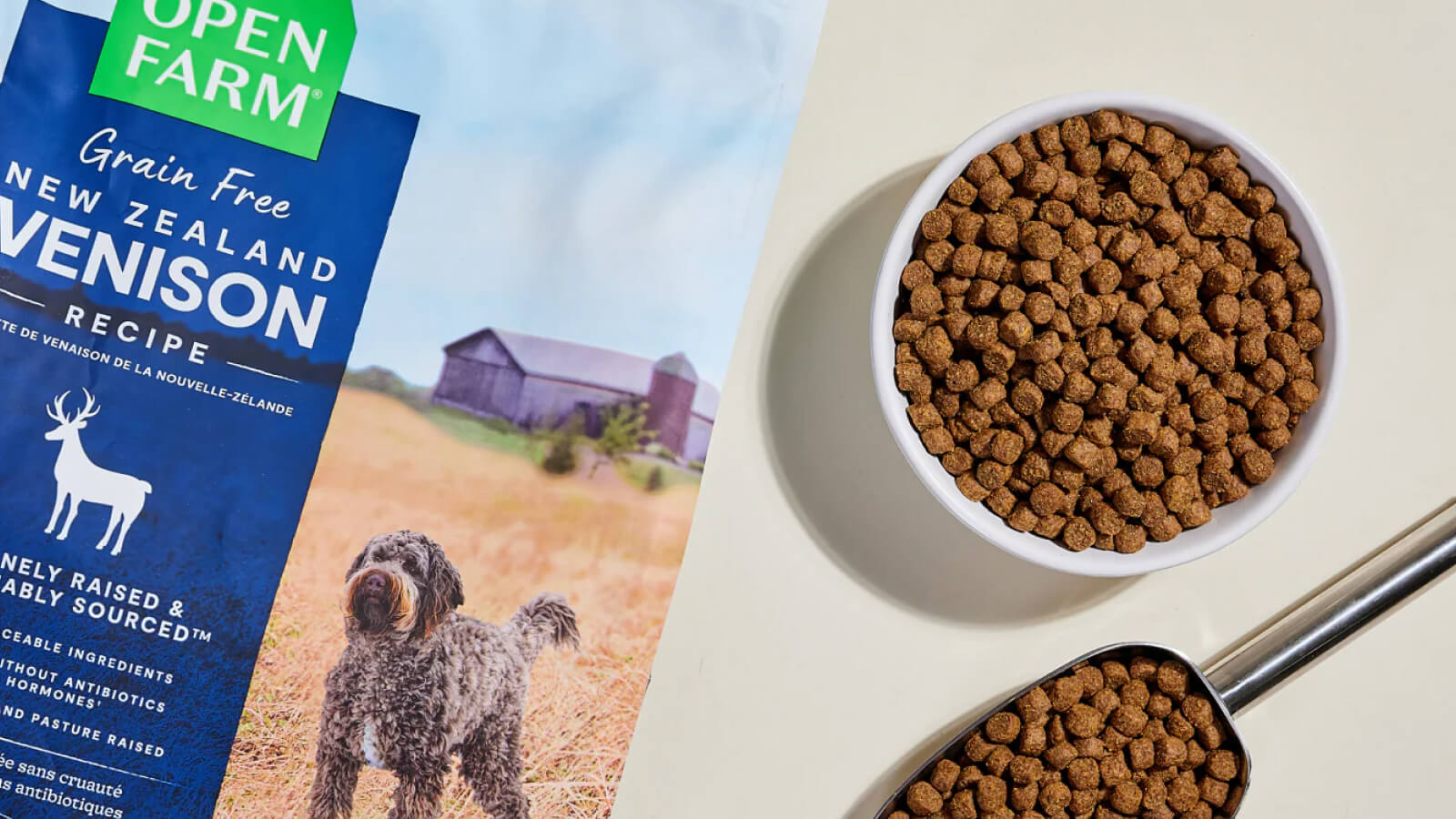
Every dog food comes with a feeding guide based on your dog's weight. It's printed on the back of the bag or tin, and it's the best starting point you've got.
These guides are based on an average adult dog with moderate activity. If your dog is more active — think a Border Collie that runs daily versus a Bulldog that prefers the couch — you'll need to adjust up or down.
The guide gives you a daily total. Split that across two meals for most adult dogs. One in the morning, one in the evening. Consistency matters more than the exact clock time.
Factors That Change How Much Your Dog Needs
Weight is the starting point, but it's not the only factor.
Activity level makes a big difference. A working farm dog might need 30 to 40 percent more food than a same-sized dog living in an apartment. On the other hand, a senior dog that mostly sleeps may need less than what the bag recommends.
Desexed dogs typically need fewer calories. The metabolic shift after desexing means many dogs gain weight if their portions aren't adjusted. Your vet may recommend reducing portions by around 10 to 15 percent post-surgery.
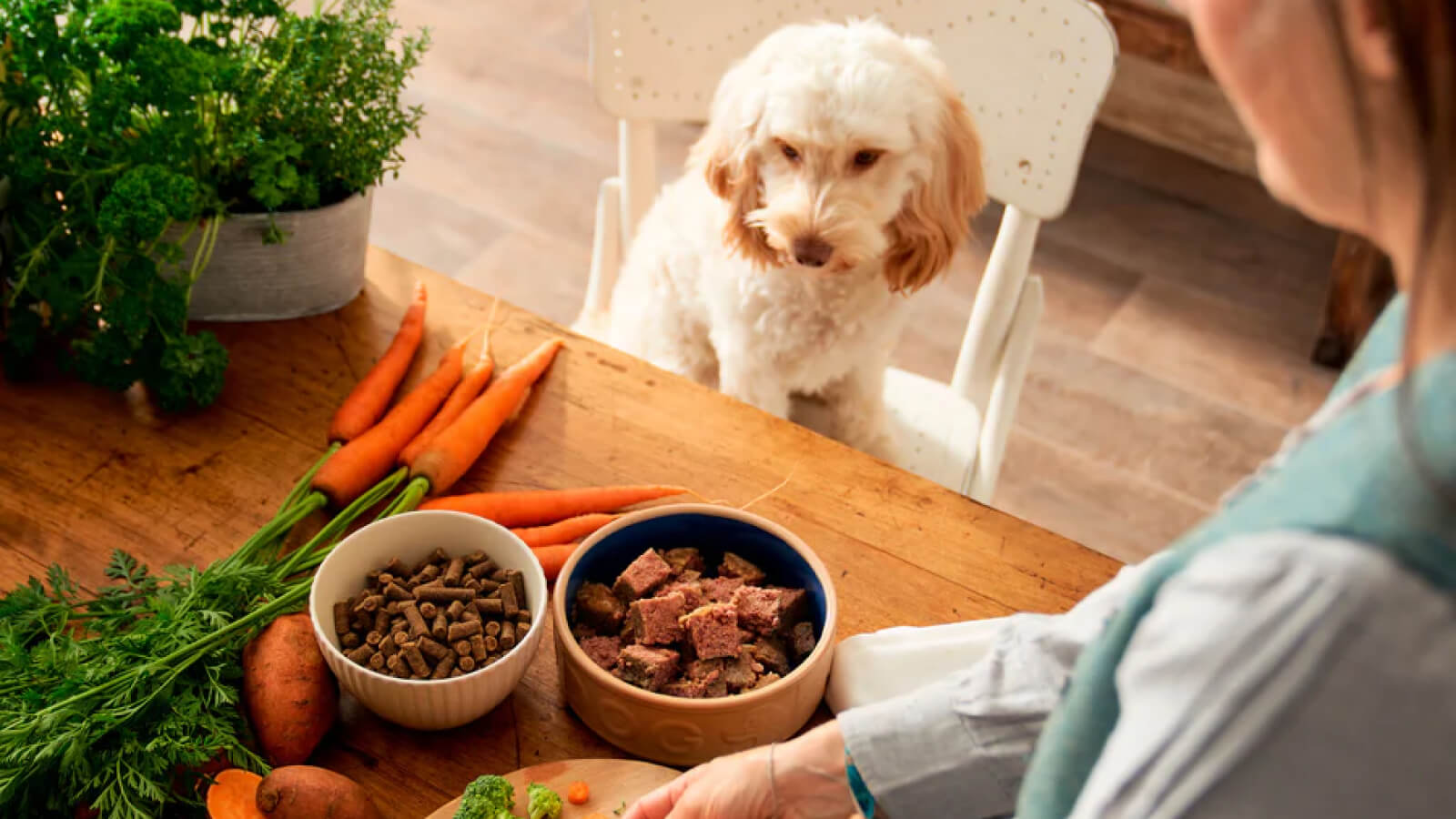
The type of food matters too. Dry kibble is more calorie-dense per gram than wet food. If you're mixing both, you need to account for the total calories from each, not just the weight of food in the bowl.
Breed plays a role as well. Some breeds are naturally prone to weight gain — Labradors, Beagles, and Pugs are classic examples. Others, like Greyhounds and Whippets, tend to stay lean even on generous portions.
How to Tell if You're Feeding the Right Amount
The best way to check is with your hands and your eyes.
Run your hands along your dog's sides. You should be able to feel their ribs with gentle pressure. If you have to push hard, they're carrying too much weight. If the ribs are visible without touching, they need more food.
From above, your dog should have a visible waist — a slight tuck behind the ribs. From the side, their belly should slope upward from the chest to the hind legs, not hang straight down.
Weigh your dog monthly, or at least every time you visit the vet. Small changes in weight are easy to miss when you see your dog every day.
How Often Should You Feed an Adult Dog?
Twice a day works for most adult dogs. Some owners feed once a day, which can work for certain dogs, but twice daily tends to keep energy more stable and reduces the chance of bloat in deep-chested breeds.
Avoid free-feeding — leaving food out all day — especially with kibble. It makes it nearly impossible to track intake and can lead to gradual overeating.
If your dog is a fast eater, consider a slow-feeder bowl. Gulping food too quickly can cause digestive discomfort and increases the risk of bloat.
Frequently Asked Questions
How much dry food should I feed my dog per day?
Should I feed my dog wet or dry food?
How do I know if my dog is overweight?
Do older dogs need less food?
Can I feed my dog once a day?
Does desexing change how much I should feed my dog?





Comments
0 comments
Login to Join the Conversation 💬