




















That bag of kibble in the pantry might not be as fresh as you think. Here's how long dry dog food actually lasts and how to tell when it's gone off.

In Short:
Unopened dry dog food lasts 12 to 18 months from the manufacturing date. Once opened, use it within 4 to 6 weeks for best quality. After that, the fats oxidise and the food can go rancid — look for a sour or musty smell, discolouration, or your dog suddenly refusing food they normally enjoy.
Store it in a cool, dry place in the original bag with excess air squeezed out.

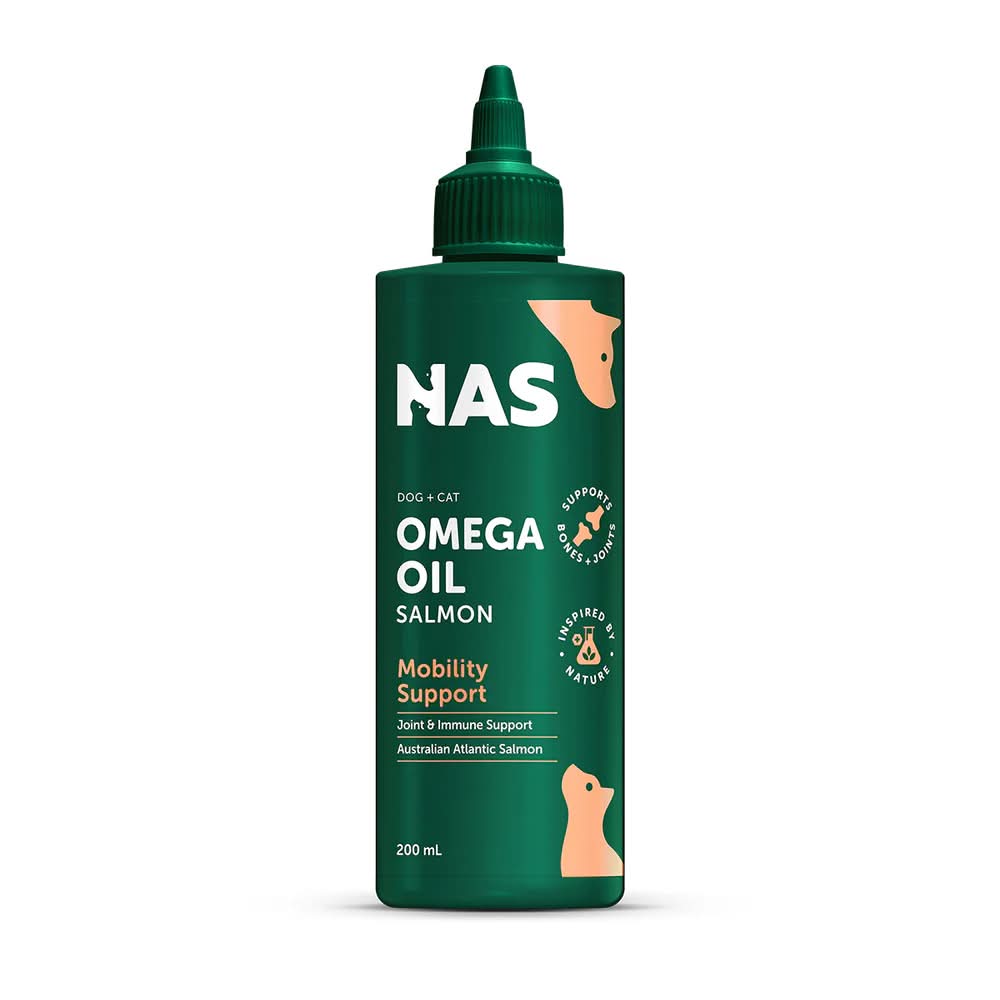
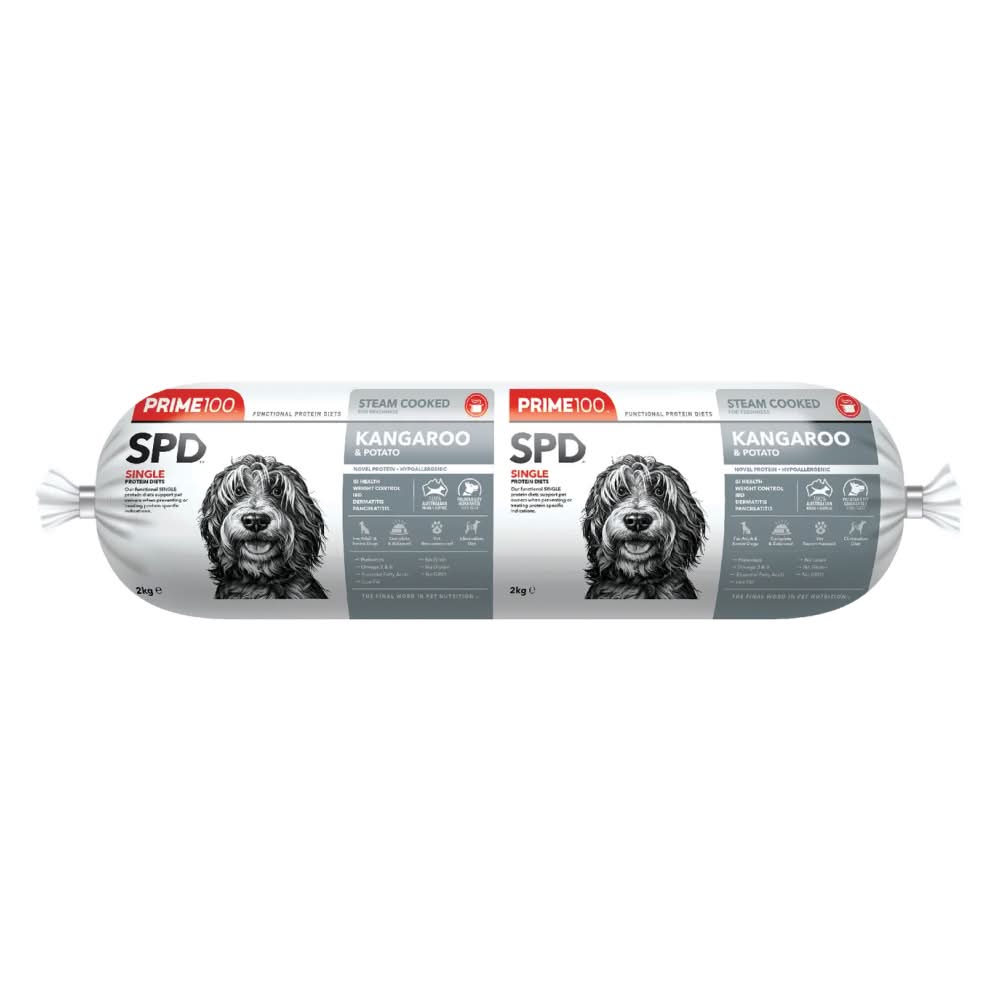
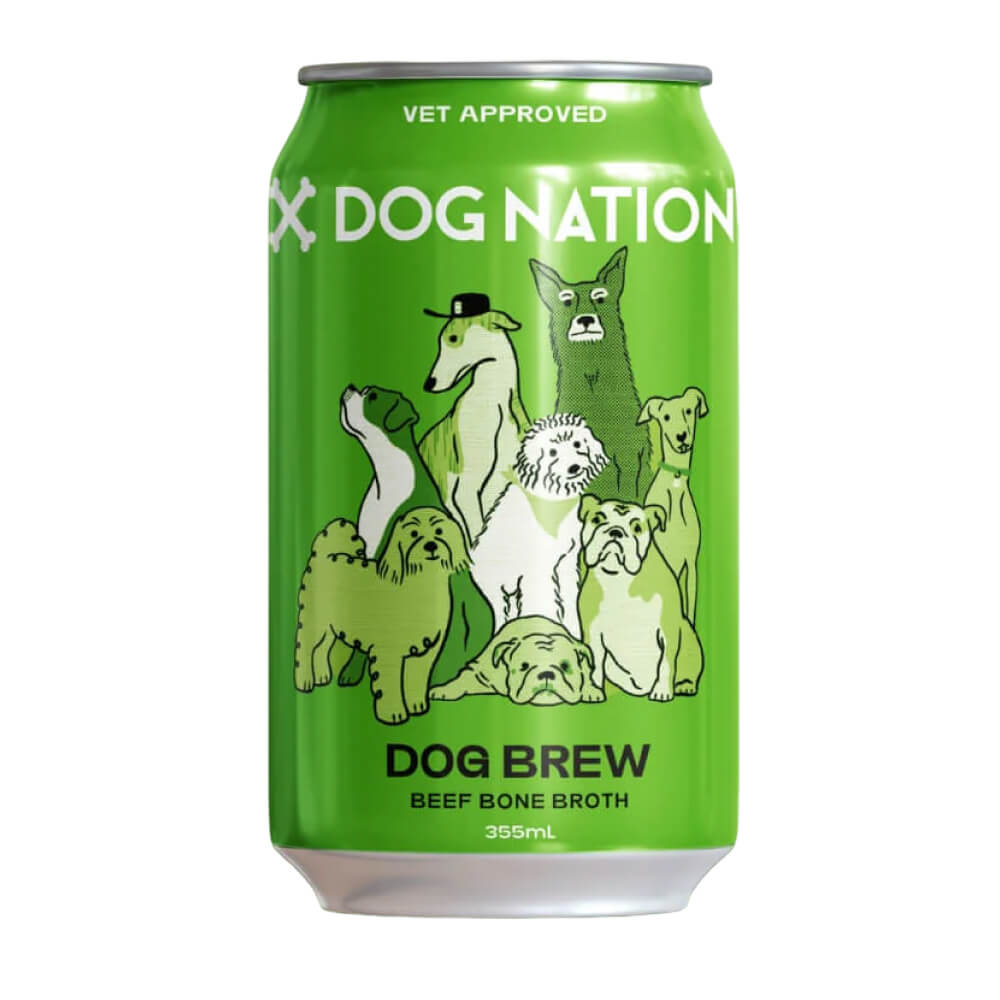
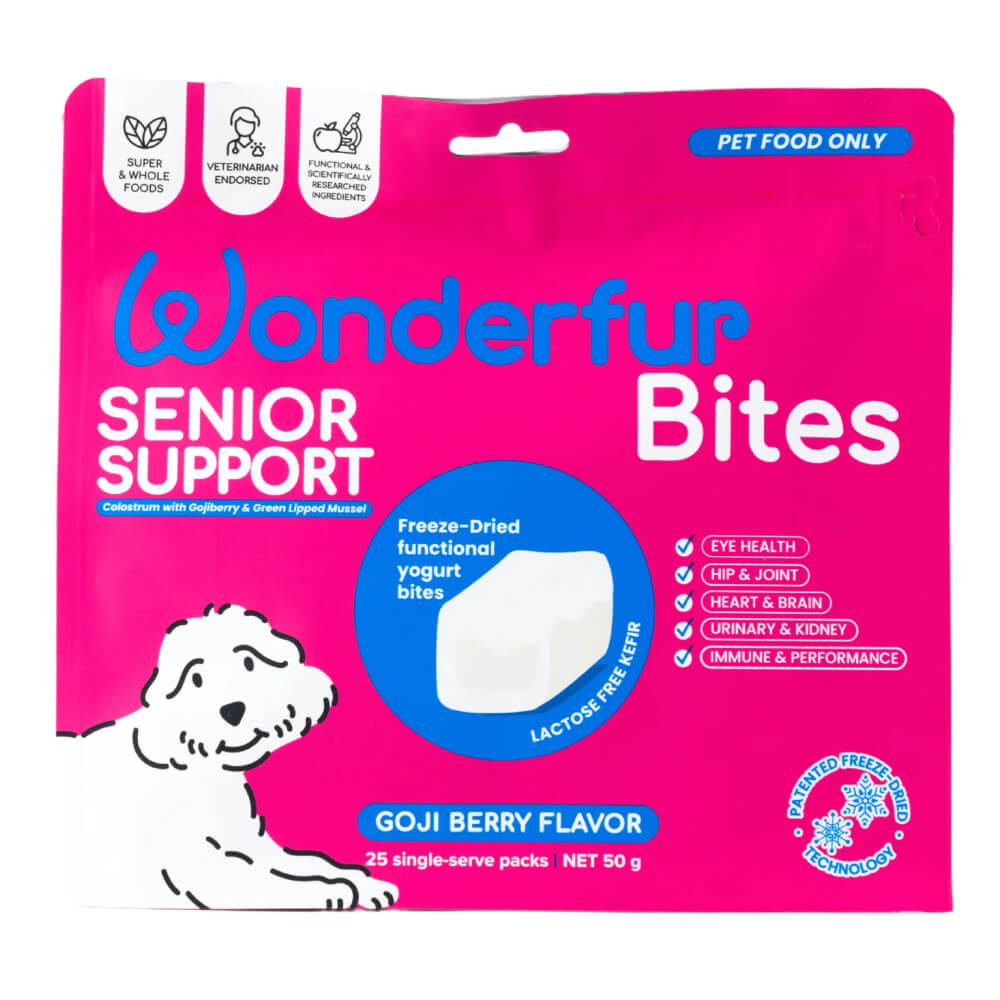
Featured Products:

Shelf Life: Unopened vs Opened
Unopened dry dog food usually has a shelf life of 12 to 18 months from the date it was manufactured. The exact timeframe depends on the brand, the preservatives used, and how the product has been stored before reaching your home.
Once you open the bag, the clock speeds up. Exposure to air starts a process called oxidation, which breaks down the fats in the food. Most experts recommend using an opened bag of kibble within 4 to 6 weeks for best quality.
That doesn't mean the food becomes dangerous on day 43. But the nutritional value starts to decline, the taste changes, and the fats can become rancid — which may cause digestive upset or lead your dog to refuse the food.
How to Find the Expiry Date
Every commercial dog food in Australia should have a best-before or use-by date printed on the packaging. It's usually stamped on the bottom or back of the bag, sometimes in a hard-to-read format.
The date tells you how long the food remains at its best when stored correctly and unopened. After that date, the manufacturer no longer guarantees the nutritional profile or freshness.
Some brands print a manufacturing date instead of (or alongside) an expiry date. If you only see a manufacturing date, a safe rule of thumb is to add 12 months for most standard kibble.
Signs That Dry Dog Food Has Gone Off
Expired or stale kibble isn't always obvious to us, but your dog will often notice before you do.
Smell is the biggest giveaway. Fresh kibble has a mild, meaty odour. Rancid kibble smells sour, musty, or chemical. If you open the bag and something smells off, trust your nose.
Appearance changes are another clue. Mould, discolouration, or an oily residue on the kibble are signs of spoilage. If the food looks different from when you first opened the bag, it's time to toss it.
Your dog's behaviour tells a story too. A dog that suddenly refuses food they normally enjoy might be reacting to a change in taste or smell that you can't detect. Dogs have a sense of smell roughly 10,000 times more sensitive than ours.
How to Make It Last Longer
Proper storage makes a significant difference.
Keep the kibble in its original bag. The bag is designed to protect the food, and many premium bags have a resealable zip or a barrier lining that slows oxidation. If you prefer a storage container, place the entire bag inside it rather than pouring the food loose.
Store it in a cool, dry place. Heat and humidity accelerate spoilage. The garage in an Australian summer is one of the worst spots you can choose. A pantry or laundry cupboard is a much better option.
Squeeze excess air out of the bag before sealing it. Less air contact means slower oxidation. Some owners use a clip or peg to keep the bag tightly closed between meals.
Buy the right bag size for your dog. If you have a small dog, a 15kg bag that takes three months to finish will be stale long before it's empty. It's more economical to buy a smaller bag more frequently.
Frequently Asked Questions
Can expired dry dog food make my dog sick?
How long does a 10kg bag of dog food last?
Should I refrigerate dry dog food?
Does the type of preservative affect shelf life?
Can I use dog food past its best-before date?





Comments
0 comments
Login to Join the Conversation 💬